
| by Josephine Akarue
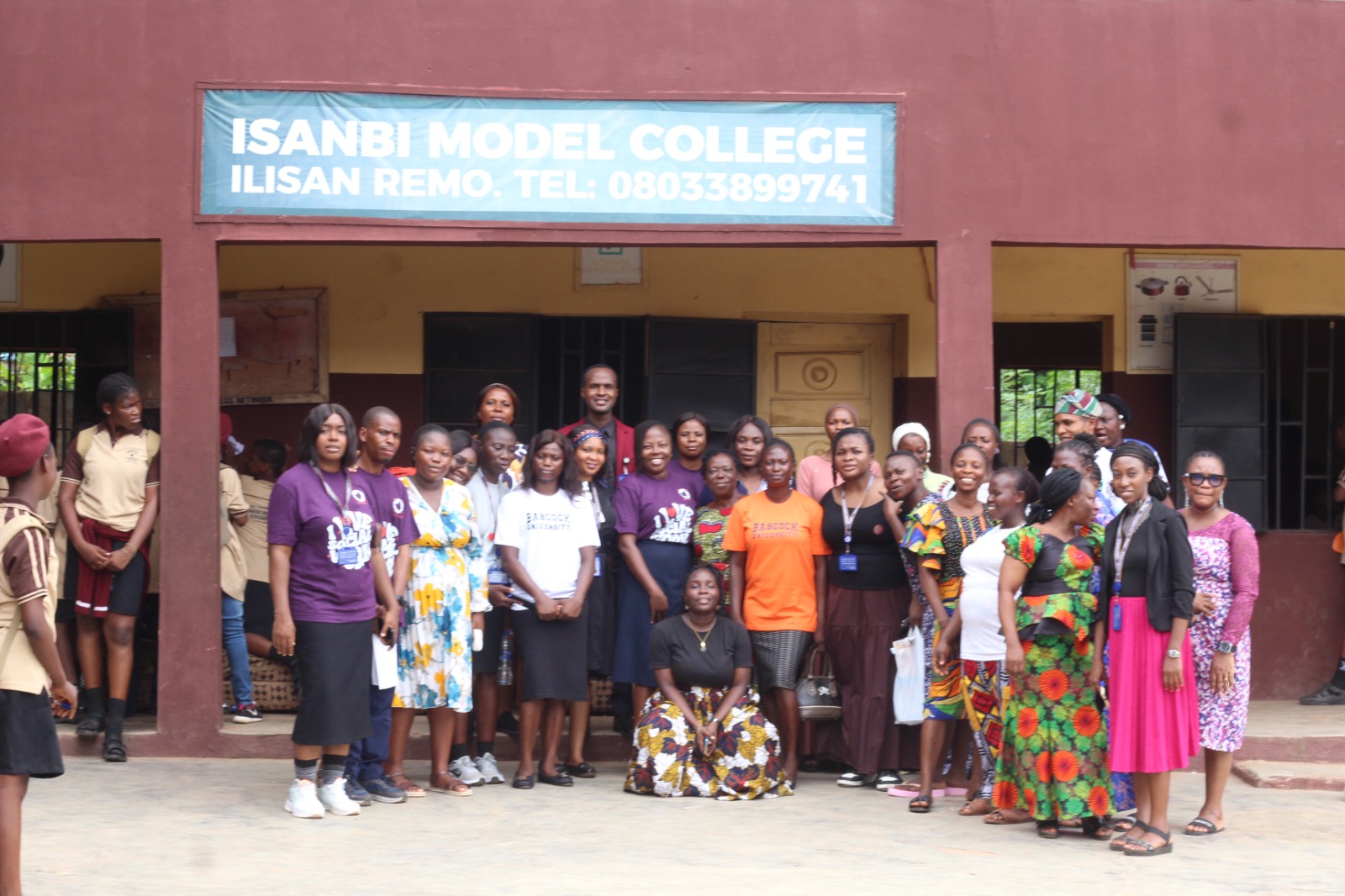
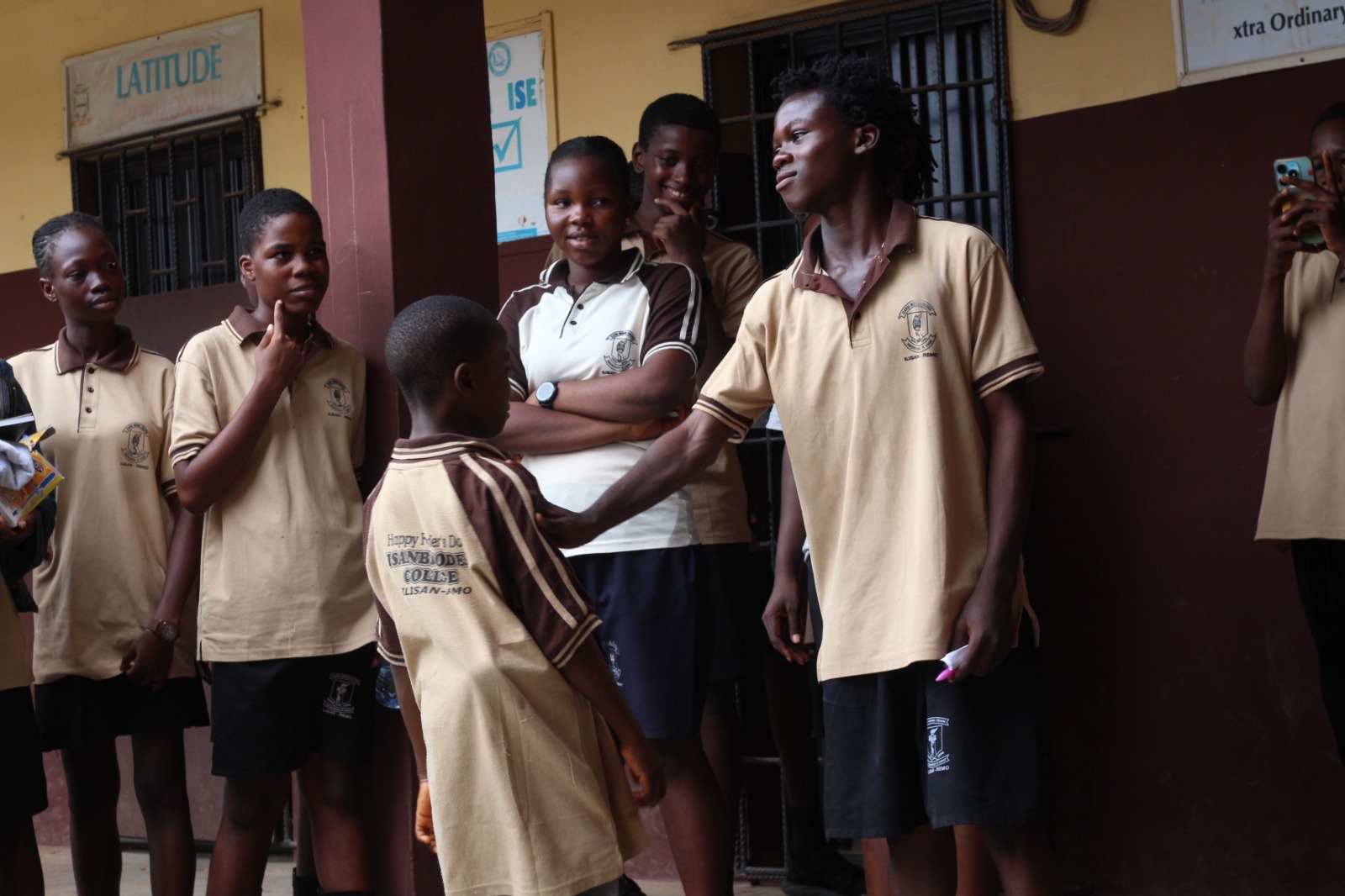
Students of Isanbi Model School role-playing on bullying and assertiveness.

Against the backdrop of rising rates of bullying in Nigerian schools—where studies reveal that more than 50% of adolescents report being bullied and nearly one-third admit to bullying others — postgraduate students of the Social Work Department at Babcock University have taken proactive steps to confront this challenge. As part of a collaborative social intervention and community engagement initiative, the department organized a student-centered outreach program at Isanbi Model College, focusing on bullying prevention and assertiveness training.
The workshop equipped students with vital life skills such as empathy, confidence-building, healthy peer relationships, and assertive communication. Through interactive presentations, discussions, and breakout sessions, facilitators guided participants in recognizing bullying behaviors, understanding their emotional impact, and practicing respectful self-expression. Tailored approaches were designed for students who identified as victims and those who exhibited bullying tendencies, ensuring meaningful dialogue and targeted support. Teachers also participated in aspects of the sensitization process, reinforcing the program’s holistic impact.
A major highlight of the event was the breakout session format, which encouraged students to engage in role plays, guided discussions, and practical activities. These sessions emphasized empathy, kindness, emotional intelligence, and self-confidence, empowering students to seek help when necessary and support one another in building a safer school environment.
Beyond the educational content, the success of the outreach reflected the teamwork and leadership of the 18 postgraduate coordinators. “The program was made possible through the collective efforts of students who handled everything from facilitation to logistics, welfare, publicity, and media coverage,” one coordinator noted.
“This initiative exemplifies Babcock University’s dedication to fostering social responsibility, equipping future professionals with practical skills, and promoting positive change in local communities,” added a staff member of the department.