
| by Josephine Akarue. Photo credit: Samuel Ating and Gbenga Olajobi
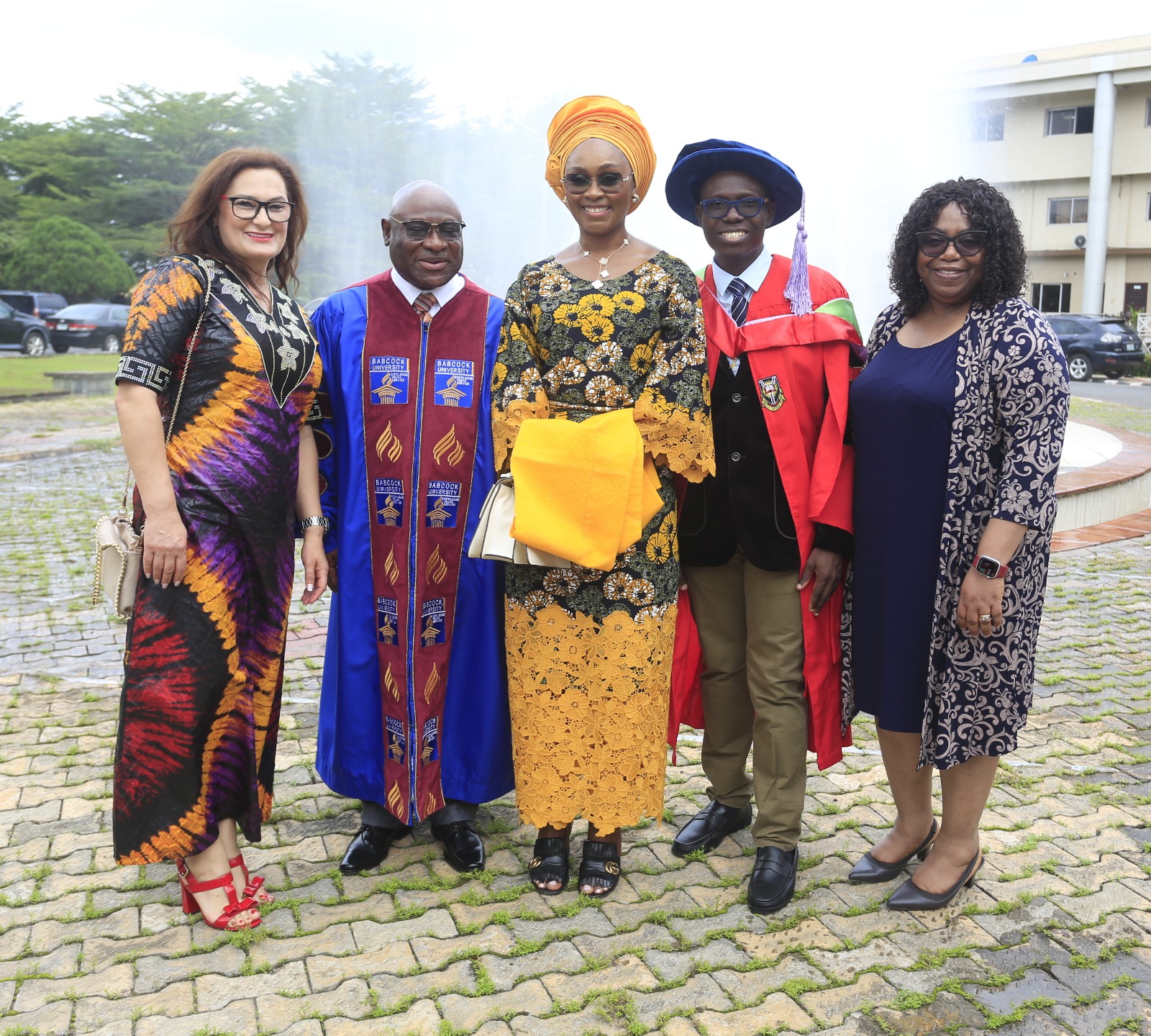
Babcock University President/Vice Chancellor, Prof. Afolarin Ojewole and spouse, Prof. Dorcas Ojewole (right), Ogun State First Lady, Her Excellency, Mrs. Bamidele Abiodun and guest celebrate with the 62nd inaugural lecturer, Prof. Olutayo Sunday Sokunbi.
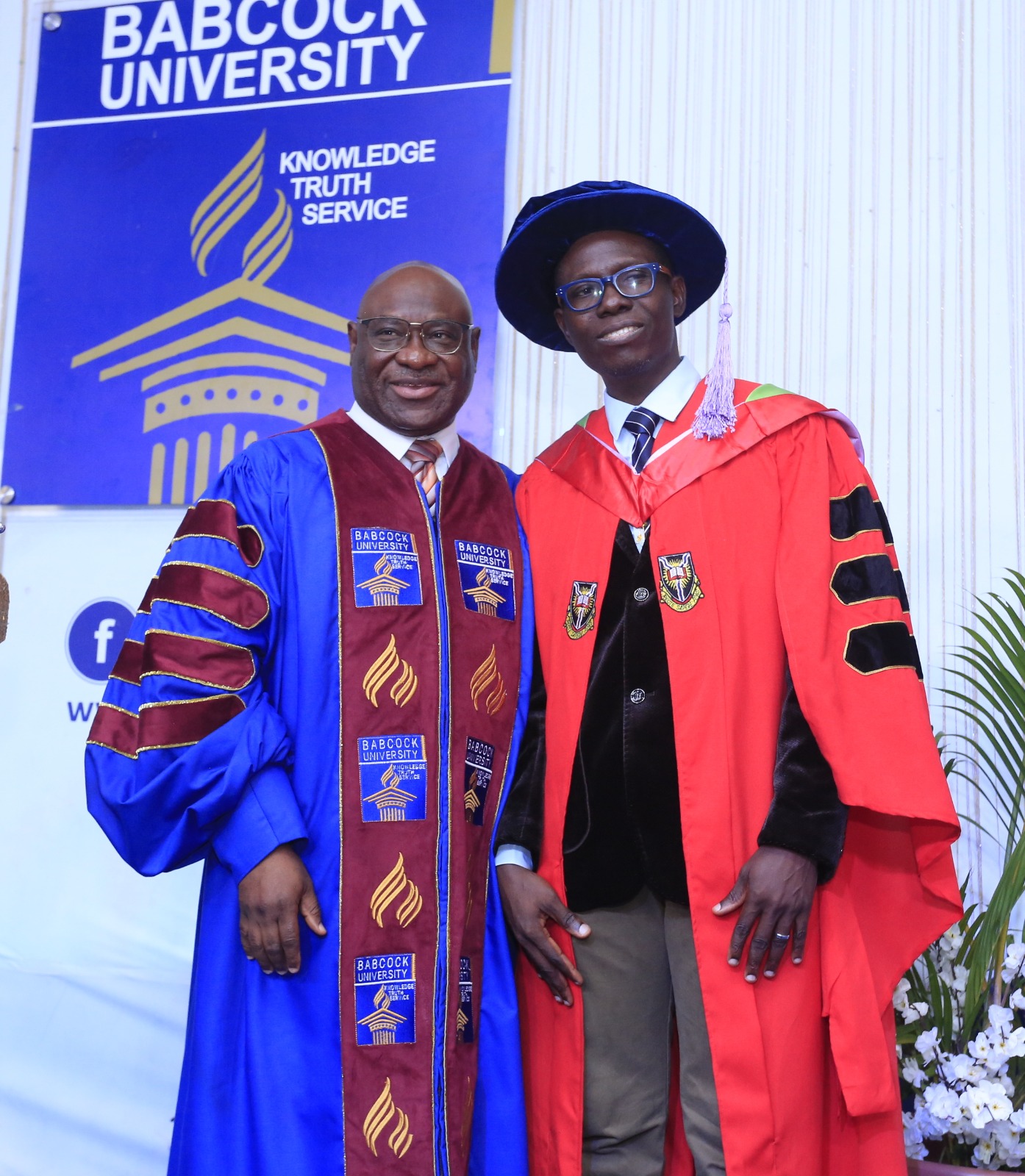
Babcock President/Vice Chancellor, Prof. Afolarin Ojewole and Inaugural lecturer, Prof. Olutayo Sokunbi
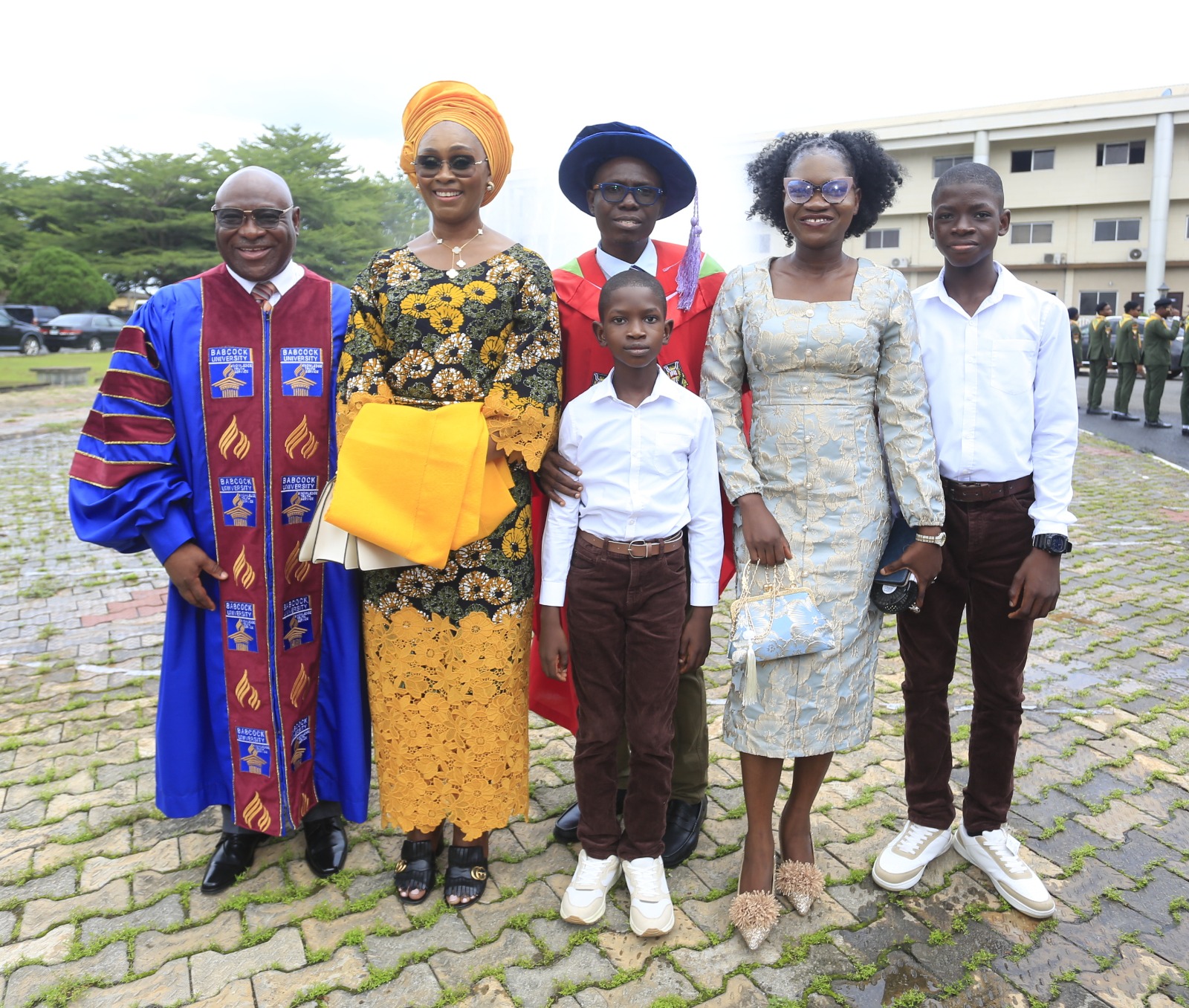
Prof. Afolarin Ojewole and the Ogun State First Lady, Her Excellency, Mrs. Bamidele Abiodun pose with the Inaugural lecturer Prof. Olutayo Sunday Shokunbi and spouse, Dr. Sarah Shokunbi and family
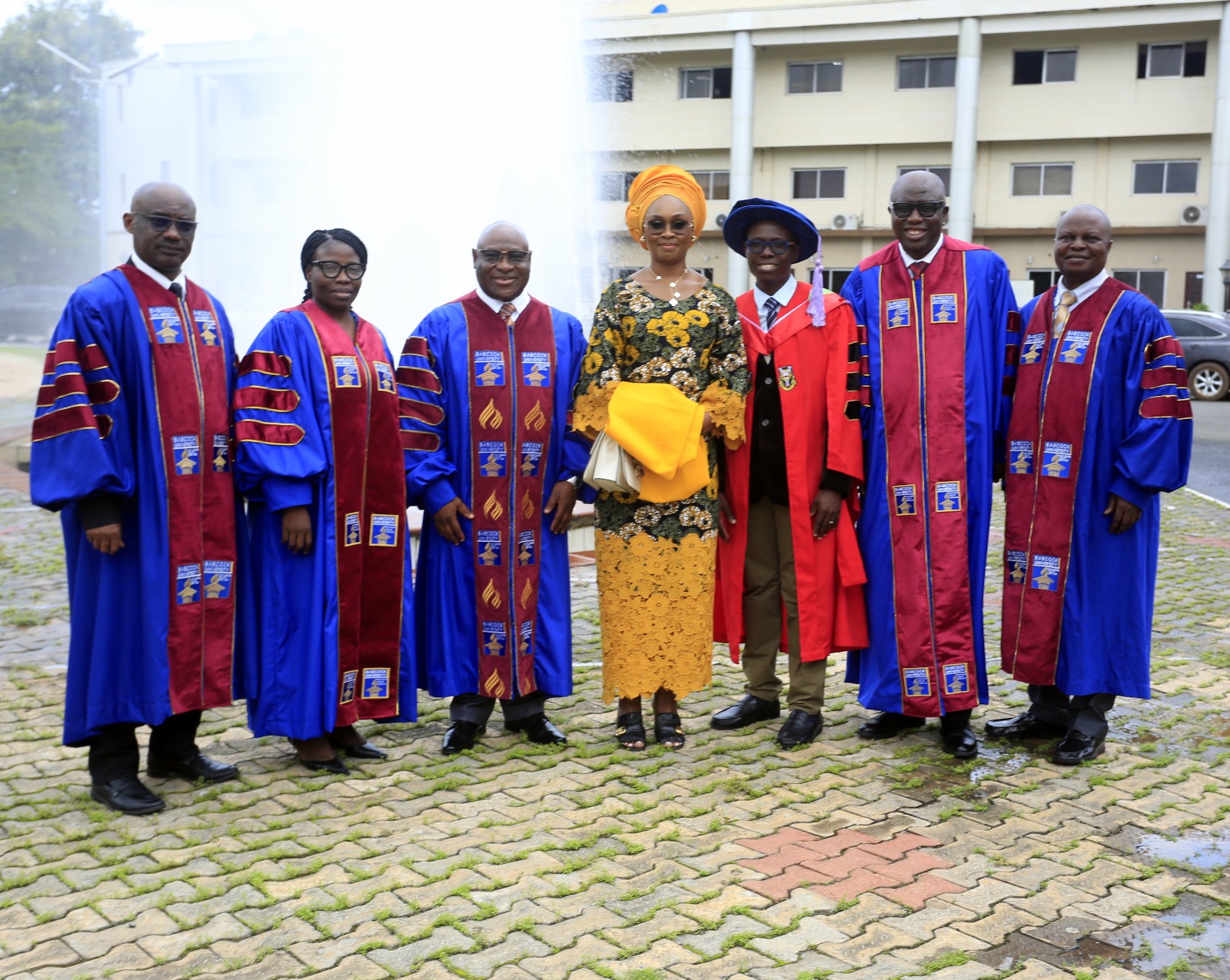
President/Vice Chancellor, Prof. Afolarin Ojewole (3rd left) and other principal officers share a moment with the inaugural lecturer, Prof. Olutayo Shokunbi and First Lady of Ogun State, Her Excellency, Mrs. Bamidele Abiodun.

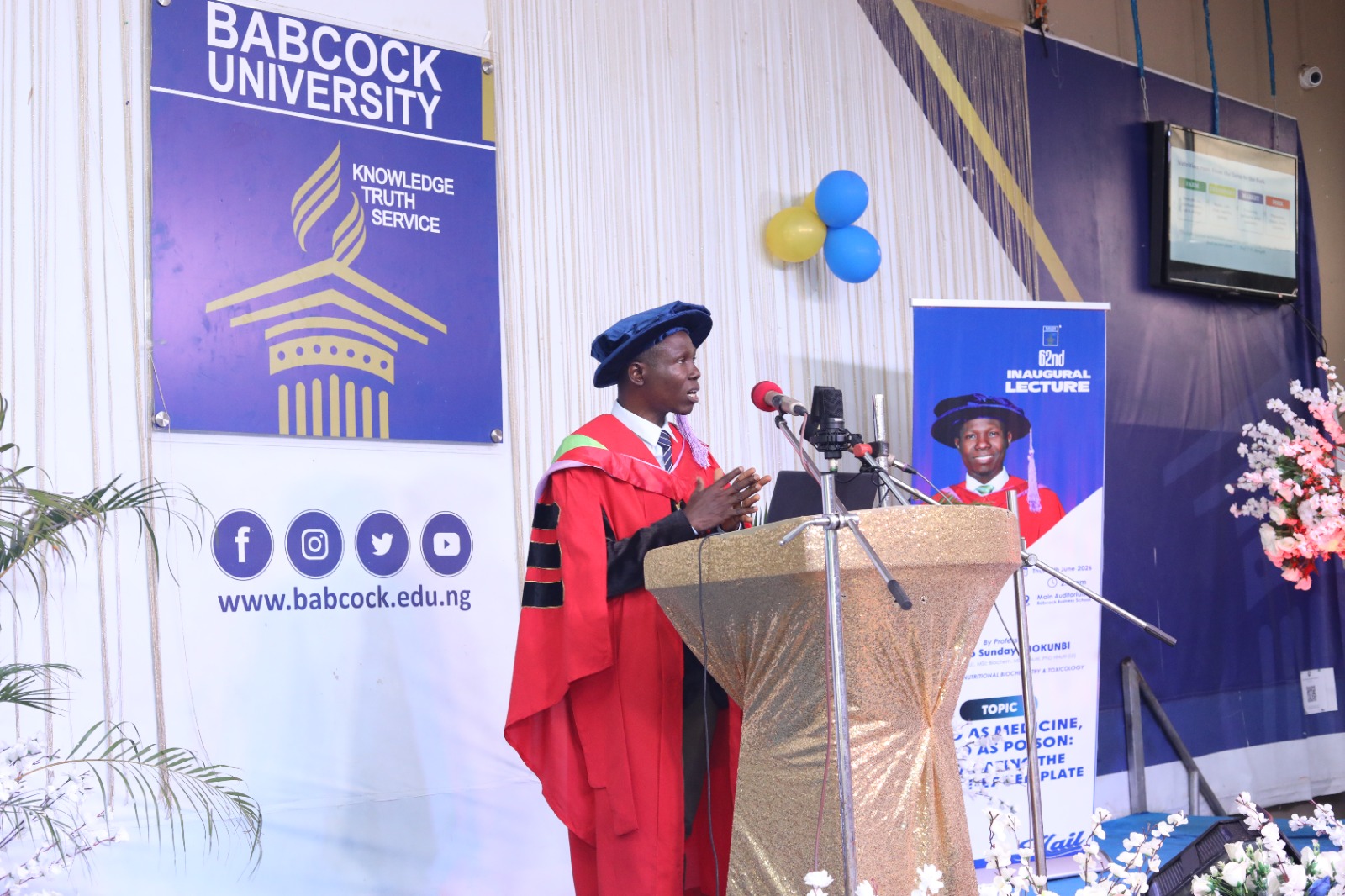
Inaugural lecturer, Prof. Olutayo Sokunbi
With Africa facing a defining challenge on how to rise above poverty and rapid population growth to secure a healthier future for its children, Babcock University’s 62nd inaugural lecturer, Prof Olutayo Sunday Sokunbi has provided a roadmap on how to harness its biodiversity and collective embrace of a continental First 1000 Days strategy as a safeguard for health. His lecture, Food as Medicine, Food as Poison: Navigating the Double-edged Plate, calls for an urgent response to chart a replicable, focus-driven nutrition agenda to address concerns on alarming rates of childhood stunting, wasting, and micronutrient deficiency.
According to Prof. Shokunbi, whose lecture attracted the first Lady of Ogun State Mrs. Bamidele Abiodun among other dignitaries, this framework calls for a multi-sector approach: standardizing complementary food formulations using locally available ingredients, establishing continent-wide breast milk banking networks with safe storage protocols, and commercializing lactogenic agents from Africa’s biodiversity. He further urged African nations to harmonize maternity and paternity leave policies and invest in community-based nutrition systems that can reach families at the grassroots level.
“Food can be both medicine and poison. The choices we make in nutrition will determine our health status and whether Africa’s demographic advantage becomes a blessing or a burden,” Prof. Shokunbi declared.
Beyond nutrition, Prof. Shokunbi issued a clarion call for state and federal government agencies, pharmaceutical scientists, and other stakeholders to come together to chart a new course in the development of medical education, medical practice, and Nigerian traditional medicine.
“It would be rewarding for the Nigerian government to stimulate relevant industries via specific policies for the funding of research and training towards the development of various products from these medicinal plants to enhance the health of Nigerians,” he emphasized. “It is high time to train our physicians to appreciate the huge blessing of medicinal plants available to us as a nation.”
Prof. Shokunbi’s lecture made it clear that Africa’s rising population and persistent poverty need not define its future. By harnessing the continent’s rich biodiversity, investing in nutrition during the First 1000 Days, and embedding traditional medicine into modern medical education and practice, Africa can secure a healthier tomorrow for its children. He believes with these strategies and government engagement with stakeholders to unite in funding research, training physicians, and developing products from medicinal plants can Africa transform its demographic challenge into a demographic dividend — ensuring that food and medicine become instruments of healing, not harm.