
| Communication, Media and Branding
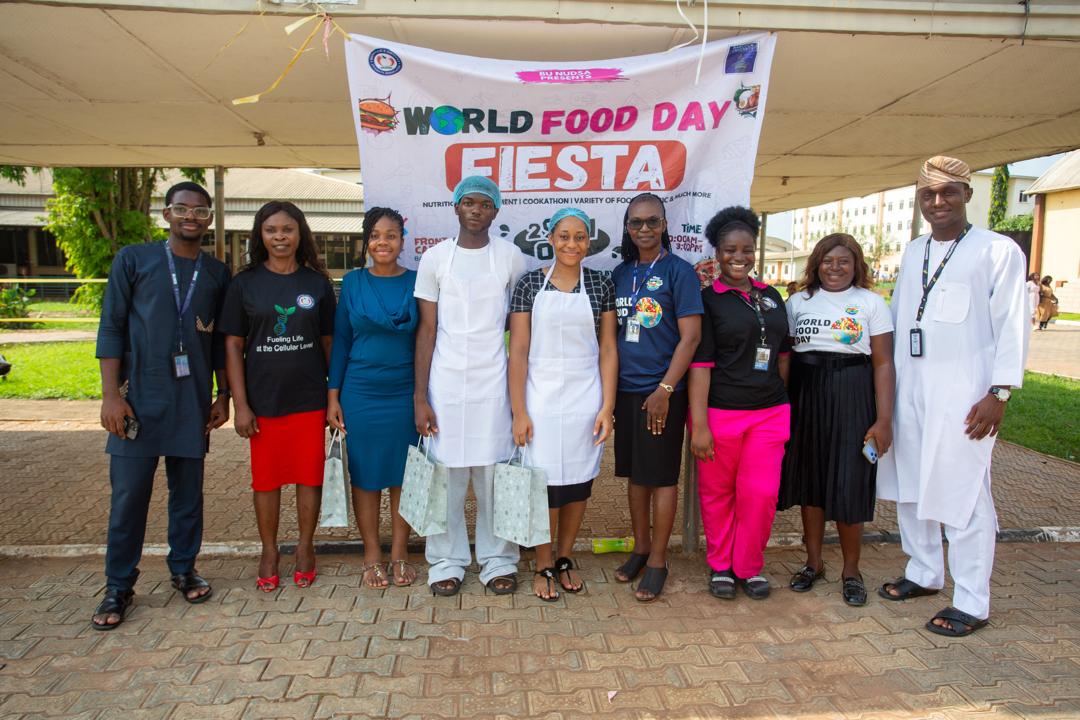
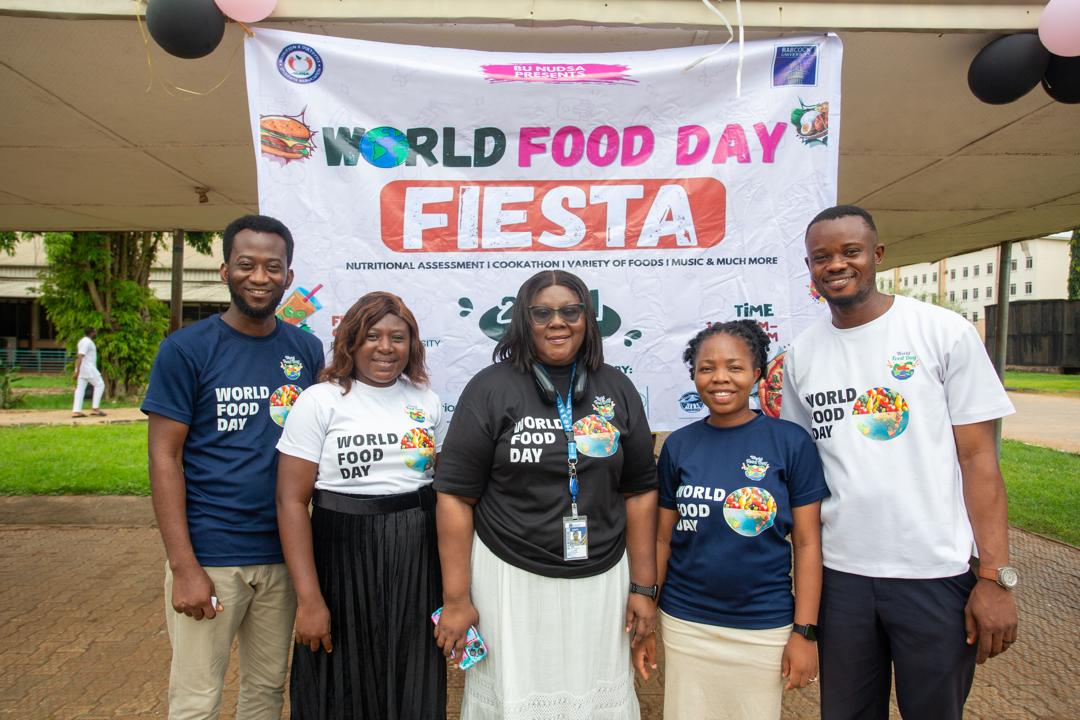

In the month of October, the world commemorated World Food Day to mark the founding of the Food and Agriculture Organization (FAO) of the United Nations and raise awareness about global hunger, malnutrition, poverty and the urgent need to strengthen food security. The occasion also reinforces the importance of inclusive participation in food production, nutrition and responsible consumption.
In recognition of the day, the Department of Human Nutrition and Dietetics, in collaboration with the Department of Dietetics at Babcock University Teaching Hospital (BUTH), organised a Cook-a-thon Fiesta on October 29, 2026, themed “Innovate Today, Nourish Tomorrow.” The event brought nutrition education into practical focus, demonstrating how knowledge, creativity and accessible food resources can contribute to healthier eating and improved nutrition.
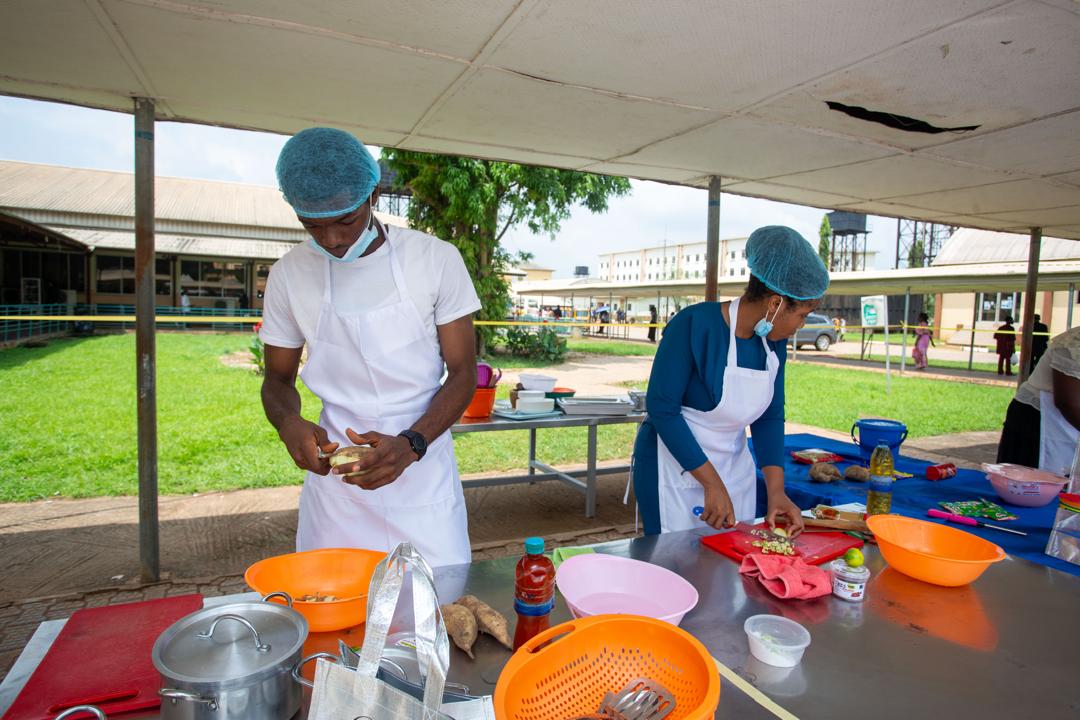
The celebration featured nutritional assessments, a cooking competition, food exhibitions, music, and the presentation of prizes and certificates. It provided students with an opportunity to explore different food classes, show culinary creativity, and apply classroom knowledge to practical food preparation.
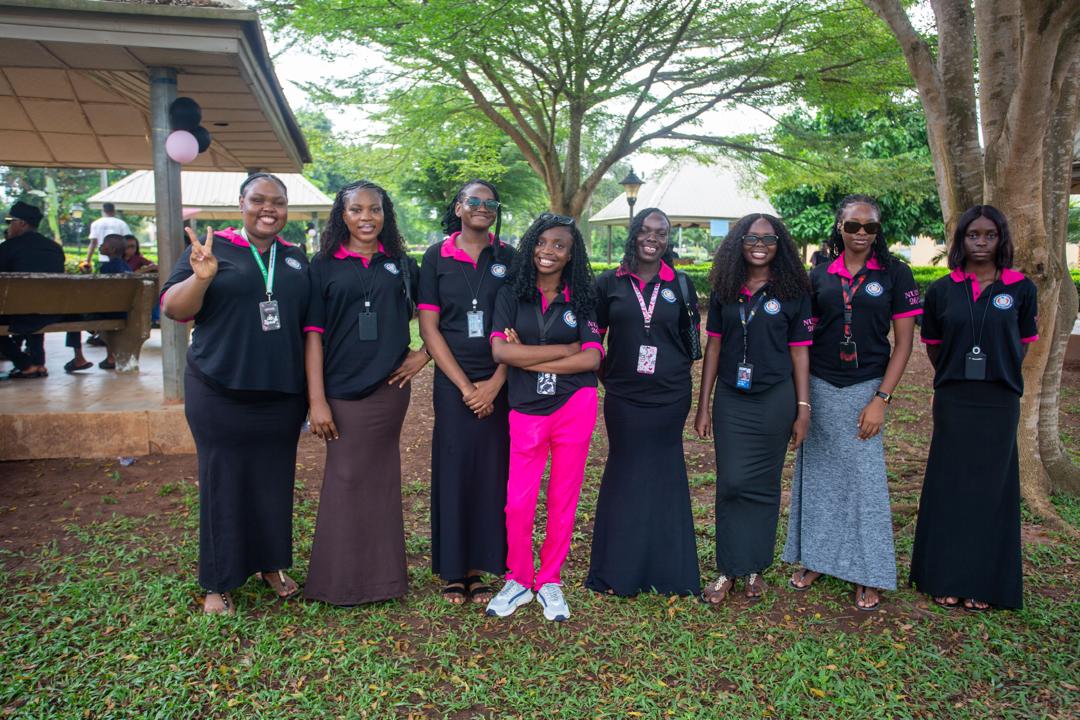
According to Miss Isiose Egbeahie, Executive President of the Nutrition and Dietetics Students Association (NUDSA), the initiative enabled students to explore diverse food classes and display their culinary skills.
Co-sponsor Tirzah Alfa described the fiesta as an opportunity to promote the department and engage the community in conversations about individual dietary needs. She explained that nutritional guidance must be tailored to individual health conditions rather than treated as a general prescription.
The cooking competition produced three winners. Nnanna Israel-Aja, a Computer Science student, emerged first and received ₦30,000. Ogechukwu Unachukwu, a 400-level Nursing student, placed second and received ₦20,000, while Ifunaya Samson came third with a prize of ₦10,000.
At the grand finale, the leading contestants demonstrated how accessible ingredients, including sweet potato, garden egg, kilishi and scent leaf, could be creatively combined to prepare nourishing meals. Their entries highlighted the potential of locally available food resources to support healthy eating.
Dr. Elizabeth Ngozi, Head of the Department of Human Nutrition and Dietetics, explained that the emphasis on affordable and accessible ingredients was deliberate. She noted that opening participation to students beyond the department was intended to promote inclusivity and extend nutrition awareness across the University community.
The initiative advances Sustainable Development Goal 2 (Zero Hunger) by promoting nutrition awareness and practical approaches to food security. It also supports SDG 12 (Responsible Consumption and Production) through the responsible use of accessible food resources.
By bringing together students, nutrition professionals and the wider University community, Babcock continues to demonstrate how higher education institutions can contribute to sustainable development. Through research-driven teaching, practical innovation and community engagement, the University is preparing graduates to address real-world challenges and develop solutions that improve lives.
At Babcock University, education is not only about acquiring knowledge; it is about applying that knowledge to build healthier, more sustainable communities.