
| Communication & Marketing
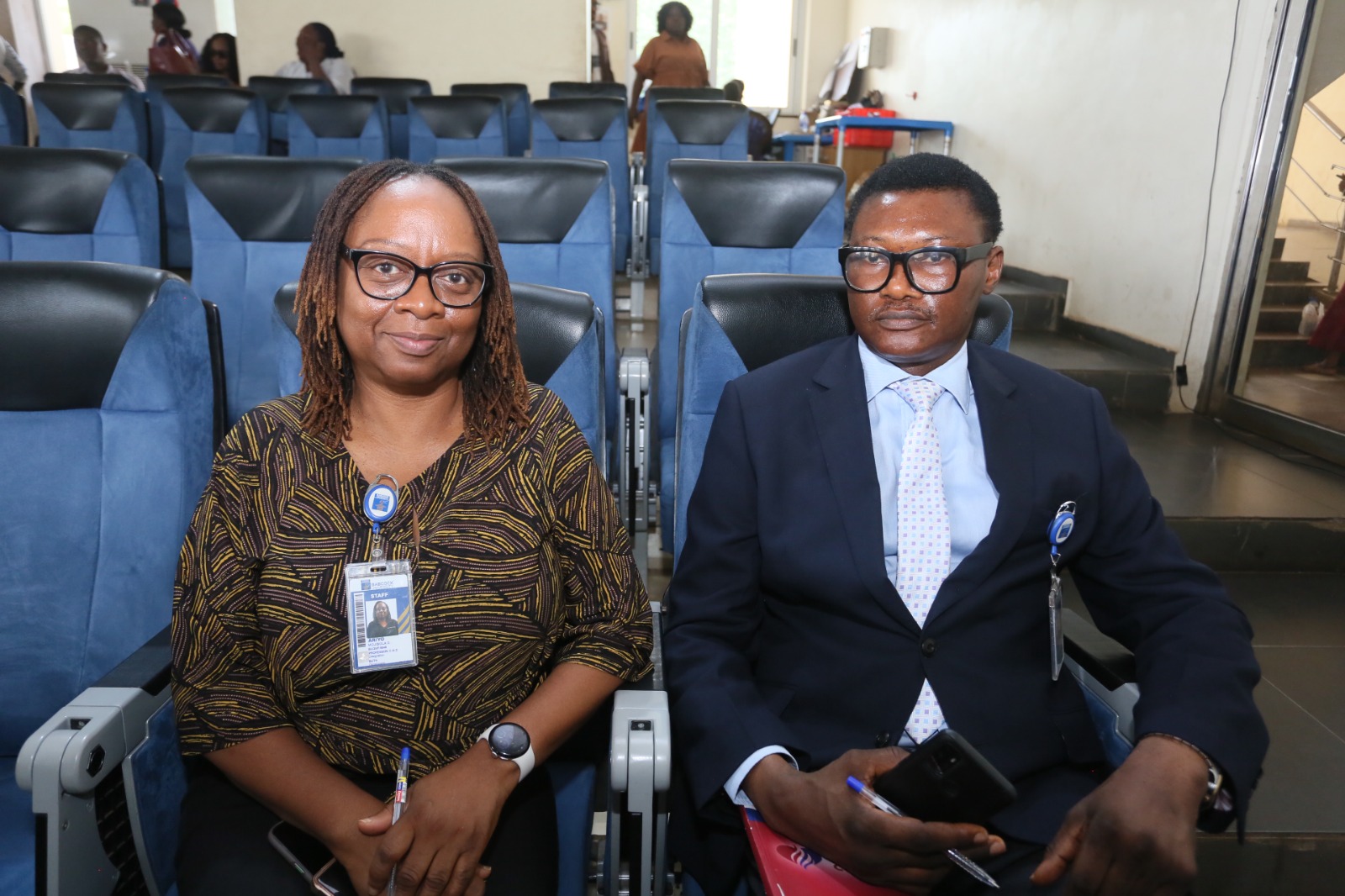
The Chief Medical Director of BUTH, Prof. Moji Ariyo and another conference participant.

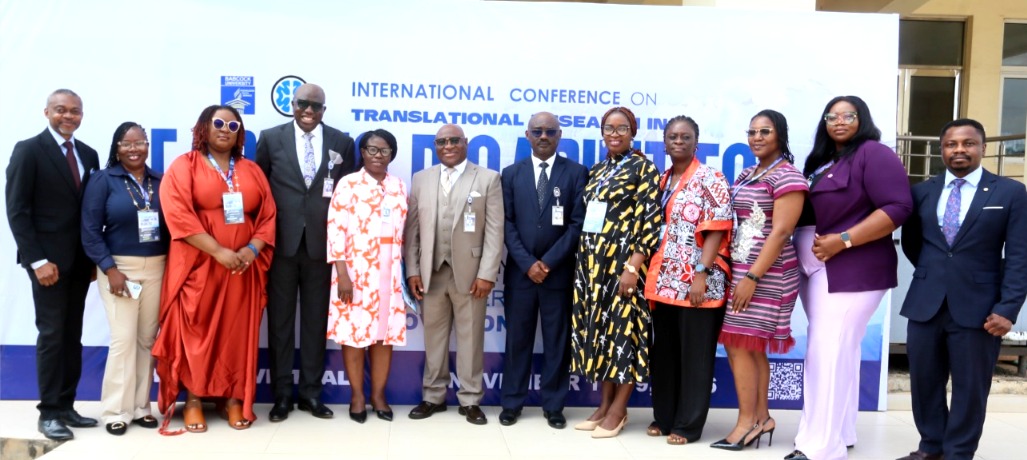
Prof. Afolarin Ojewole and Senior Vice President Academics, Prof. Jonathan Nwosu (6th and 7th left), and other presenters and Babcock officers. Left is Dr. Chinedu Anokwuru and right is the Deputy Director of Strategy.
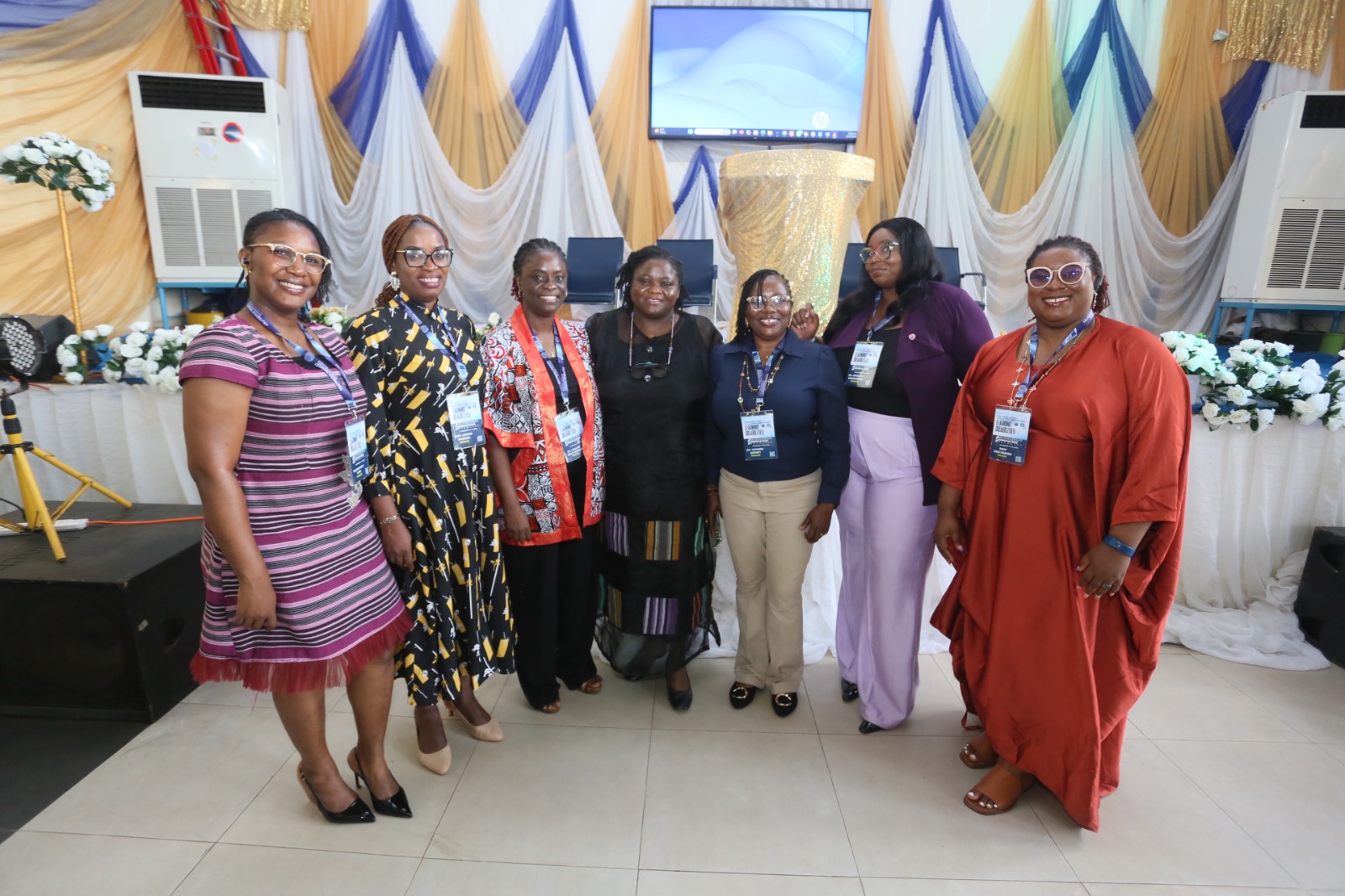
The Provost of the Benjamin Carson Snr. College of Health and Medical Sciences, Prof. Adeola Fowotade (4th left) with conference presenters: (l - r) Ms. Oluwafunmito Ajoku, Dr. Yetunde Adeniyi, Dr. Tolulope Bella-Awusah.
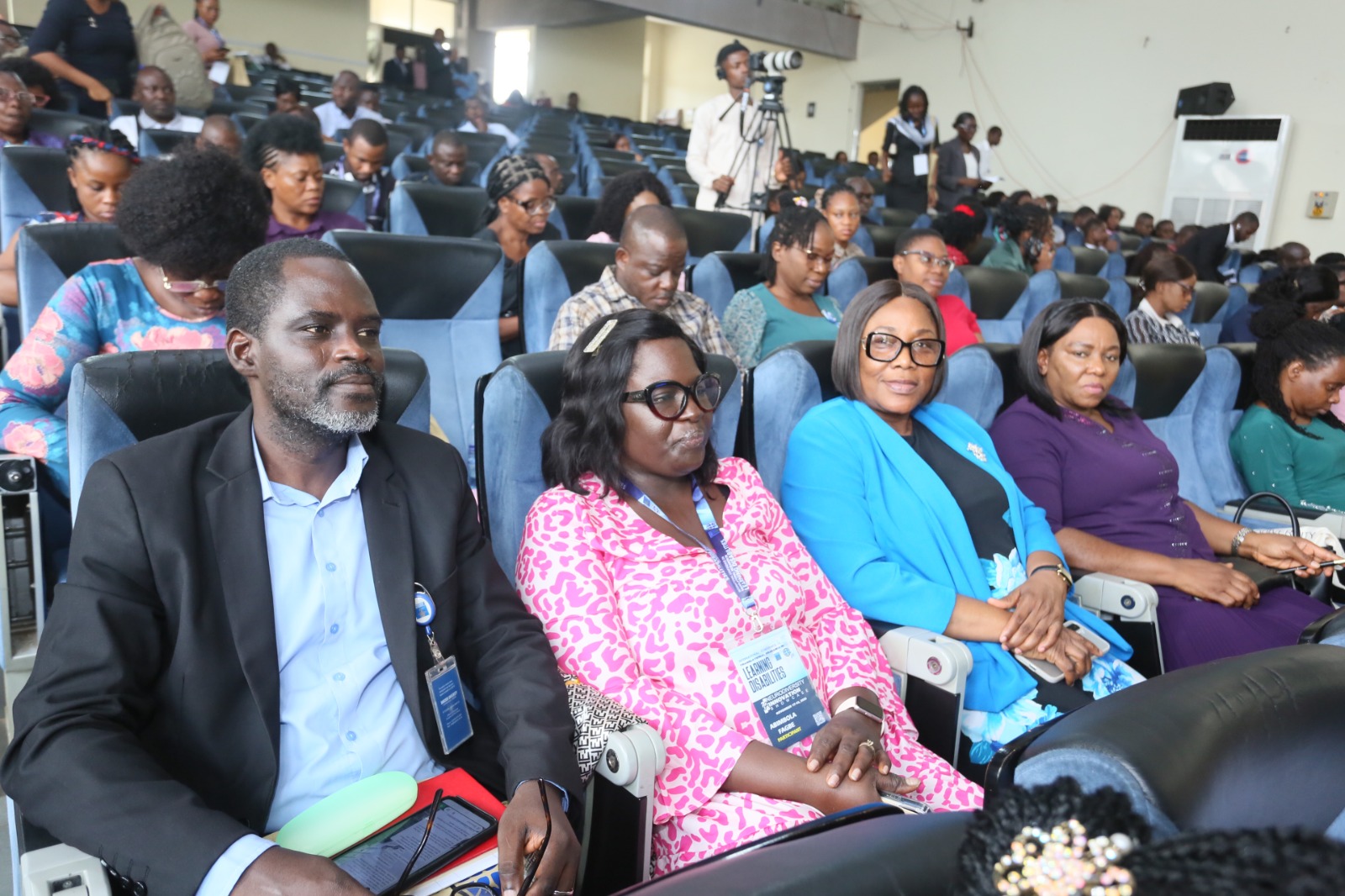
A cross section of conference participants.
Ilishan-Remo, Nigeria - Babcock University's International Conference on Translational Research in Learning Disabilities (ICTR-LD 2026) has called for a fundamental shift in educational practice, urging educators, policymakers, researchers and families to move beyond one-size-fits-all approaches to learning and create environments where every child can learn and thrive.
Themed, "Neurodiversity: Helping Different Minds Learn Better," the two-day conference held November 17 – 19, brought together educators, clinicians, researchers, university leaders, policymakers, technologists, parents and learners to explore how research on learning disabilities and neurodivergence can be translated into practical changes in classrooms, campuses and homes.
Opening the conference, President/Vice-Chancellor, Prof. Afolarin Ojewole, challenged participants to reconsider conventional assumptions about intelligence and learning. He stressed that learning difficulties or disabilities should never limit access to educational opportunities and called on schools to adapt their facilities, curricula and teaching methods to accommodate diverse learners. He also urged educators and researchers to develop practical, evidence-based solutions that address real learning needs.
“For too long, learners with dyslexia, dyscalculia, or slow learning processes have suffered in silence,” said the Babcock President/Vice Chancellor, Professor Afolarin Ojewole who described the conference as both a moral and pedagogical turning point in the pursuit of inclusive education. “Their struggles have often been mistaken for laziness, while their immense potential has remained buried under rigid and punitive classroom systems.”
The call for a change in perspective was reinforced during the opening devotional, "Different Minds, Same God," delivered by Associate University Pastor, Pastor Bayo Elusode. Speaking on the theme, "Different Does Not Mean Deficient," he encouraged parents, educators and caregivers to focus on individual strengths and needs rather than limitations. He introduced the Three Cs Framework for Change: Consciousness - understanding what the child needs and changing one's lens; Customization - adapting the environment; and Conversion - transforming teaching methods and perceptions.
The conference also received goodwill messages from key educational institutions, highlighting the importance of collaboration in advancing inclusive education.
Representing the Nigerian Educational Research and Development Council (NERDC), Executive Secretary Prof. Salisu Shehu described the conference as an important platform for strategic partnerships in education, research and development. He reaffirmed the role of education in sustainable development, particularly in an era shaped by digital technology and artificial intelligence, and expressed NERDC's readiness to explore collaborative opportunities with Babcock University and other institutions.
In a goodwill message from the Teachers Registration Council of Nigeria (TRCN), delivered by Princess Adaobi Ekwuno on behalf of the Registrar, Dr. Ronke Shoyomo, the Council emphasised that research should extend beyond academic publications to directly improve educational quality. The message reaffirmed every child's right to quality, inclusive and equitable education, regardless of individual learning needs, and highlighted the responsibility of teachers to develop the competencies required to support diverse learners.
Several presentations explored what meaningful inclusion should look like in practice.
Prof. F. M. Mulaudzi, speaking on Ubuntu-informed pedagogies, challenged educational systems built primarily around competition and individual achievement. Drawing on the Ubuntu philosophy, "I am because we are," she advocated a community-centred approach that promotes relationships, respect, responsibility, social justice, peer support and learner participation in educational decision-making.
Addressing the experiences of neurodiverse students in higher education, Prof. M. D. Ariyo highlighted challenges such as sensory overload, masking and academic burnout. She proposed a whole-person support model that integrates wellbeing, nutrition, physical activity, restorative sleep, stress management, social connection and spiritual support, alongside practical interventions such as structured syllabi, sensory-friendly spaces, mentorship and clinical referrals.
Dr. B. T. Adejugbe-Williams examined how differences in memory, visual processing and auditory processing affect learning outcomes. Her presentation outlined practical strategies including step-by-step instructions, graphic organisers, enlarged print, systematic phonics, concrete learning materials and peer support. She also emphasised a structured teaching approach in which teachers model concepts, guide practice, support independent application and revisit learning.
Focusing on technology and inclusion, Dr. R. Okoro argued that effective educational technology must begin with understanding learners' needs, prior knowledge, communication abilities, digital readiness and learning contexts. Encouraging responsible adoption of technology and artificial intelligence, he urged educators to "profile the need, not the child."
The conference also examined emerging innovations designed to strengthen learner support systems. Under the Babcock NeuroChallenge, participants were introduced to the Observatory of Neurodivergence, a proposed data platform developed by Instituto Sallva to connect information across education, health, disability and social support sectors. The initiative aims to help families, educators and policymakers better identify needs, service gaps and available support while acknowledging the need for further localisation, validation and evidence of outcomes within the Nigerian context.
Bringing research closer to everyday practice, Dr. Yetunde Adeniyi highlighted the gap between clinical research and classroom implementation, stressing the need for stronger collaboration between education and healthcare professionals. Dr. Tolulope Bella-Awusah cautioned against interpreting every classroom challenge as indiscipline, noting that behavioural difficulties may reflect developmental, emotional, psychological or medical concerns requiring appropriate support and referral systems.
Representing the Royal School of Educational Therapy Foundation (RSET), Ifunanya Ozoike presented a multidisciplinary model that integrates education, therapy, wellbeing and life skills. She also introduced the Therapy Bag Library Project, designed to improve access to therapeutic resources for families facing financial barriers to specialist support.
In another practical contribution, Dr. Chinedu Anokwuru introduced the BABCOCK Translational Toolkit, a resource designed to help teachers observe, document and respond to learning difficulties. The toolkit includes an observation checklist, weekly log, assistive tool checklist and learner support plan, with participant feedback expected to guide further refinement and pilot testing.
Panel discussions involving Prof. Liziana Onuigbo, Mr. Sunday Ogunmola, Dr. Bella Anwusa and Dr. Emma Gbenedio further explored collaboration, student support systems and referral pathways for learners requiring additional assistance.
A key message emerged throughout the conference: exclusion is not always a result of a learner's condition. It can also arise from rigid curricula, inaccessible environments, negative attitudes and insufficient support structures. True inclusion, participants noted, is measured not merely by admission into educational institutions but by whether learners can participate meaningfully, experience belonging and achieve progress.
The conference communiqué called for stronger institutional commitment to inclusive education through practical teacher training, sensory-friendly learning environments, peer support initiatives, clear referral pathways and stronger collaboration among educators, families, clinicians and policymakers. It also emphasized the importance of involving learners in shaping the policies and services that affect them and ensuring that technology and interventions are implemented responsibly and guided by evidence and professional judgment.
The conference aligns with Sustainable Development Goal 4 (SDG 4), which advocates inclusive and equitable quality education and lifelong learning opportunities for all, while reinforcing Babcock University's commitment to research that addresses real societal needs.
Ultimately, participants agreed that the success of inclusive education should not be measured by how closely learners conform to a single classroom model, but by the opportunities created for every learner to participate, belong, progress and realize their full potential.