
| Communication, Media and Branding
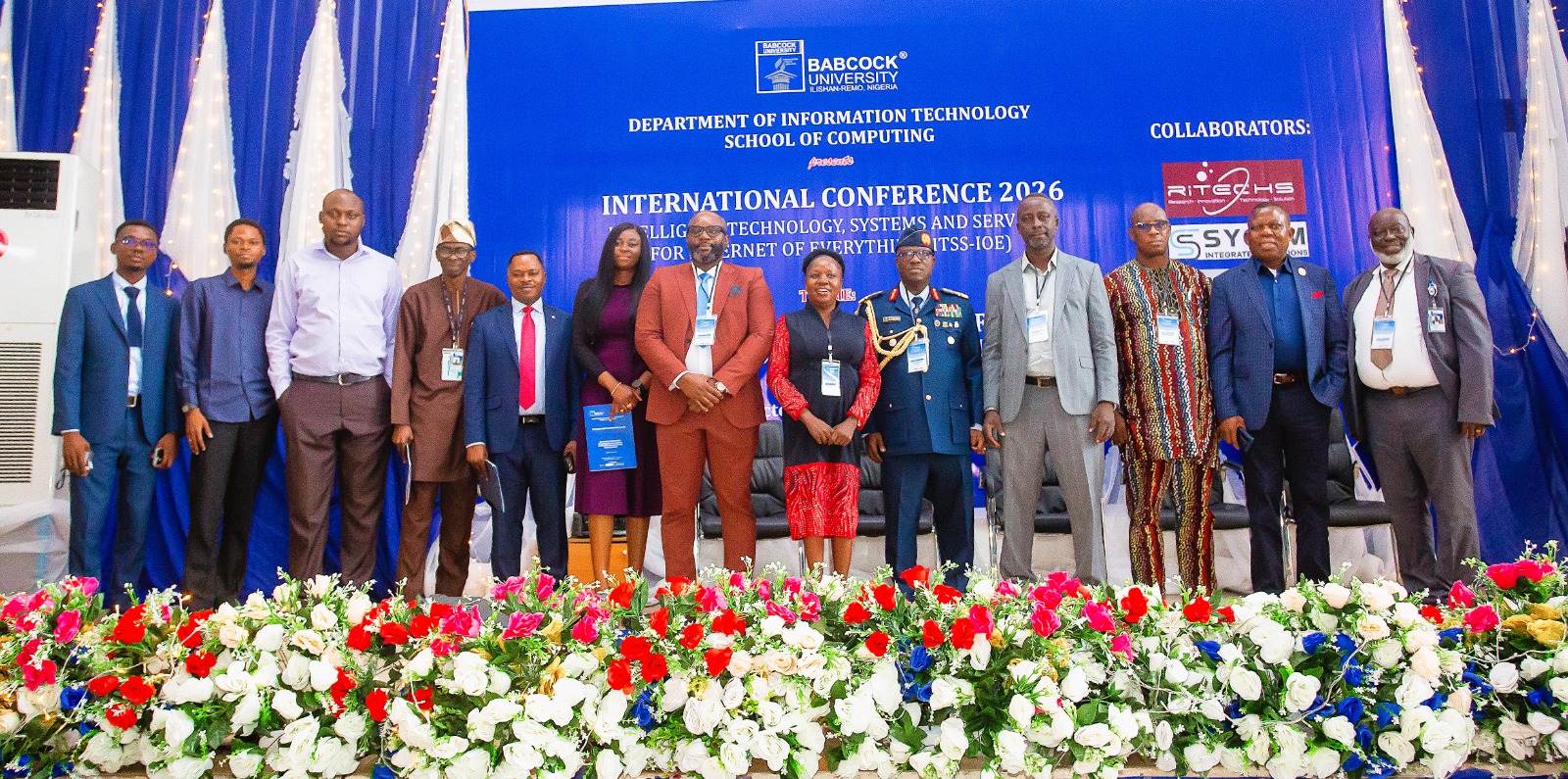
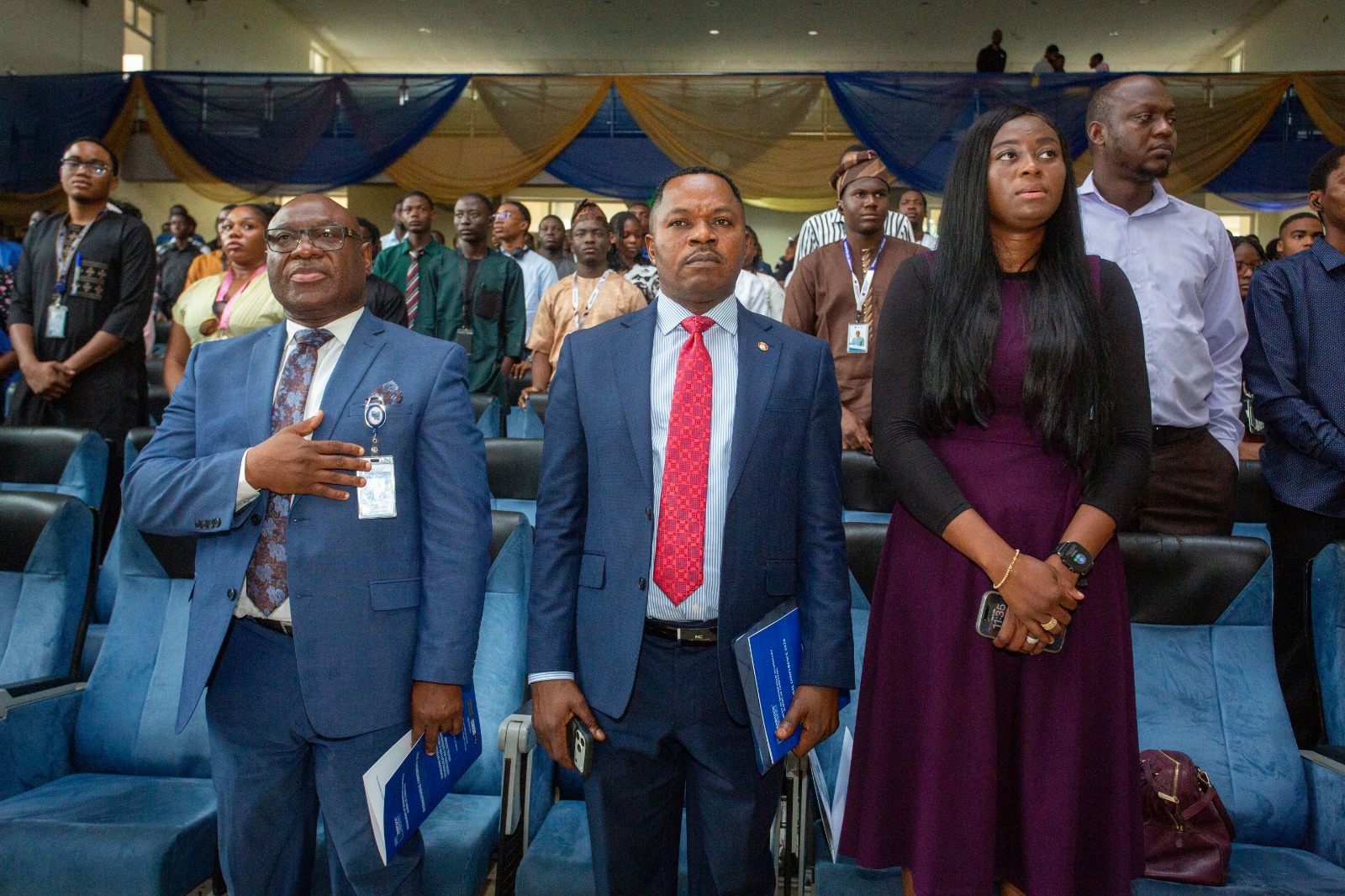

Babcock University has called on Nigeria to move beyond consuming imported technology to developing and exporting homegrown solutions that address local challenges, as it hosted the 2026 International Conference on Intelligent Technologies, Systems and Services for the Internet of Everything (ITSSoE).
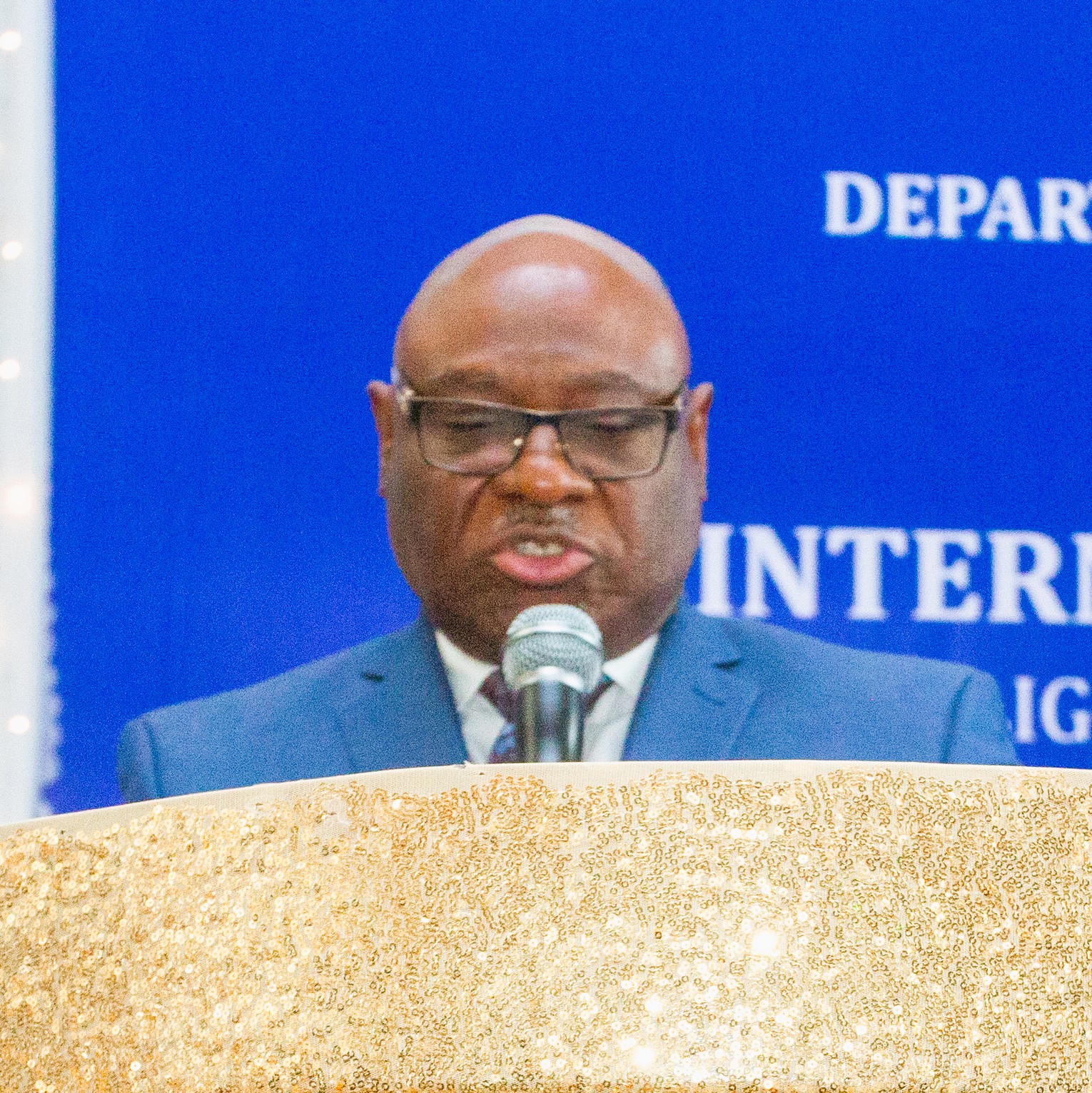
President/Vice-Chancellor, Professor Afolarin Ojewole, made the call in his welcome address at the two-day international conference themed “Harnessing Technologies for a Secure, Connected and Sustainable Digital Future.” He urged Nigeria to take a more active role in shaping its digital future by investing in innovation, research and solutions tailored to its needs.
Organised by the Babcock School of Computing in collaboration with RiTECHS, Sycom Integrated Solutions and WOWBII, the conference brought together perspectives from academia and industry on emerging technologies, cybersecurity and sustainable digital development. It also provided a platform for connecting academic research with industry applications and public policy.
Delivering the keynote address, “Artificial Intelligence and Cybersecurity: Strengthening National Security and Resilience in an Era of Emerging Digital Threats,” Director of Aerospace Research at the Defence Research and Development Bureau, Air Vice-Marshal Akeem Adebomehin, highlighted the growing cybersecurity risks associated with artificial intelligence (AI).
He identified applications of AI in threat detection, behavioural analysis, fraud and anomaly detection, vulnerability assessment and automated incident response, while stressing the need for proactive risk management.
His presentation reinforced the importance of cybersecurity and data protection in Nigeria's digital development, particularly as the country advances its National Artificial Intelligence Strategy. The discussion aligned with Sustainable Development Goal (SDG) 9: Industry, Innovation and Infrastructure, which promotes technological capability and innovation, and SDG 16: Peace, Justice and Strong Institutions, which includes strengthening institutions and combating threats that undermine security.
Chief Executive Officer of New Horizons Nigeria, Mr. Tim Akano, shifted attention from technological infrastructure to the human capacity required to drive Africa's development. He argued that the continent's greatest resource lies in its people and challenged institutions to turn untapped talent into economic and social progress.
“History will not ask how many speeches we gave about Africa's potential. It will ask how much of that potential we turned into prosperity,” he said.
Akano called for universities that produce innovators, industries that reward competence, technologies that solve African problems and institutions that give capable people opportunities to succeed.
His remarks highlighted the connection between education, innovation and economic growth, reflecting SDG 4: Quality Education and SDG 8: Decent Work and Economic Growth. The challenge for universities, he suggested, is not merely to produce graduates but to equip people with the knowledge and skills to create solutions, build enterprises and contribute to national development.
Chief Executive Officer of Sycom Integrated Solutions, Mr. Abdurrahman Akanbi, warned that artificial intelligence could intensify cyber threats through phishing, impersonation and voice cloning. He stressed that investing in data centres and advanced AI tools would not, on its own, guarantee digital security.
“Data centres and the best AI tools are not enough. If the people who run, watch and explain them are not ours, we have not secured our sovereignty. We have rented it,” he said.
His remarks underscored the need to develop local expertise alongside technological infrastructure, enabling Nigeria to manage digital risks and build greater control over its technological future.
The ITSSoE 2026 Conference reinforced Babcock University's role in creating platforms where research, industry expertise and policy perspectives converge around Nigeria's digital priorities.
By bringing cybersecurity, artificial intelligence, human capital development and homegrown innovation into the same conversation, the conference highlighted the interconnected foundations of a secure and sustainable digital economy.
The discussions also advanced the broader objectives of SDG 17: Partnerships for the Goals, through collaboration among academic institutions, technology companies and other stakeholders.
For Babcock University, the strategic priority is clear: research and technological education must translate into solutions that address real-world challenges, strengthen national resilience and expand opportunities for sustainable development.