
| By Josephine Akaure.
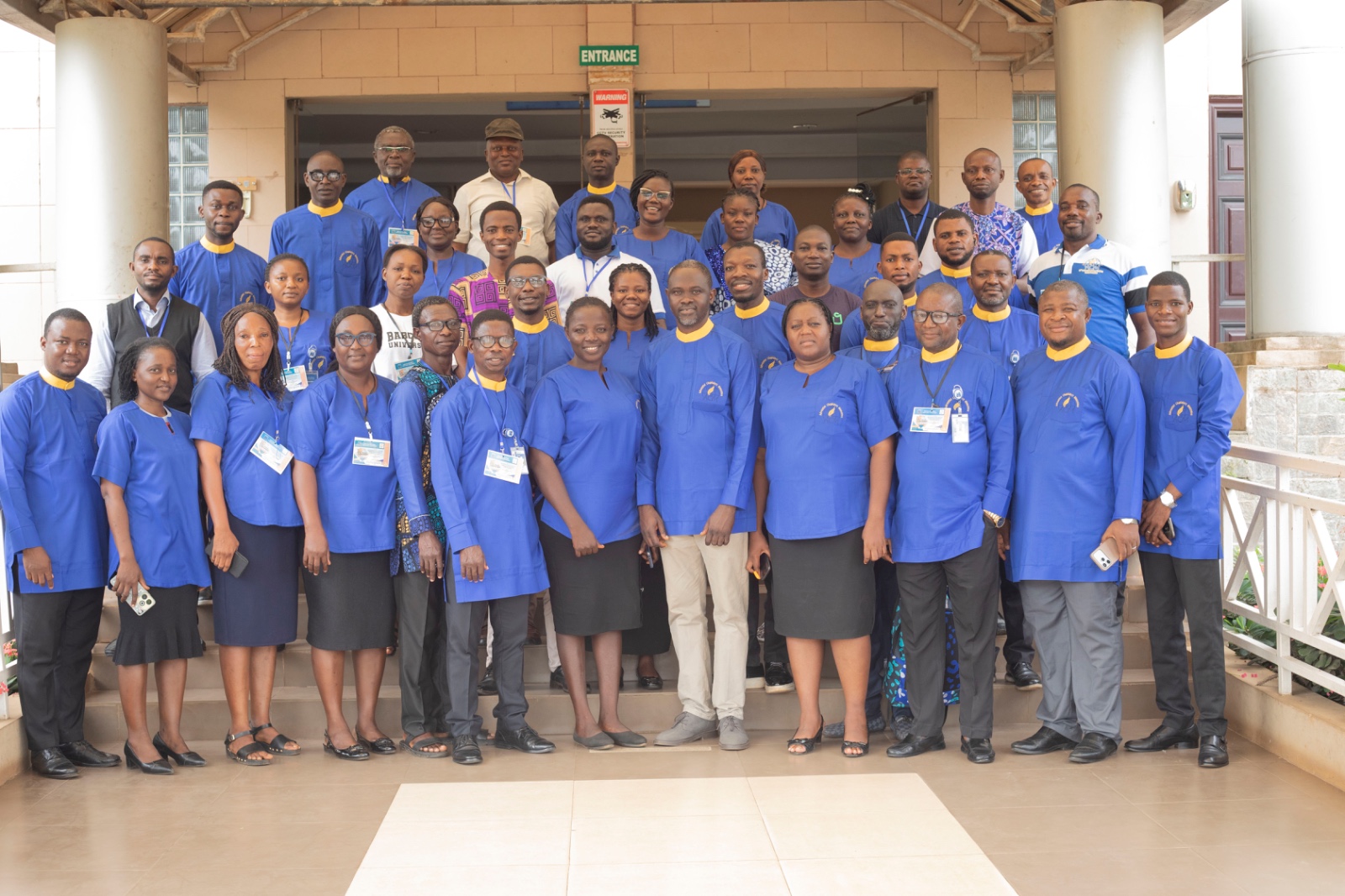
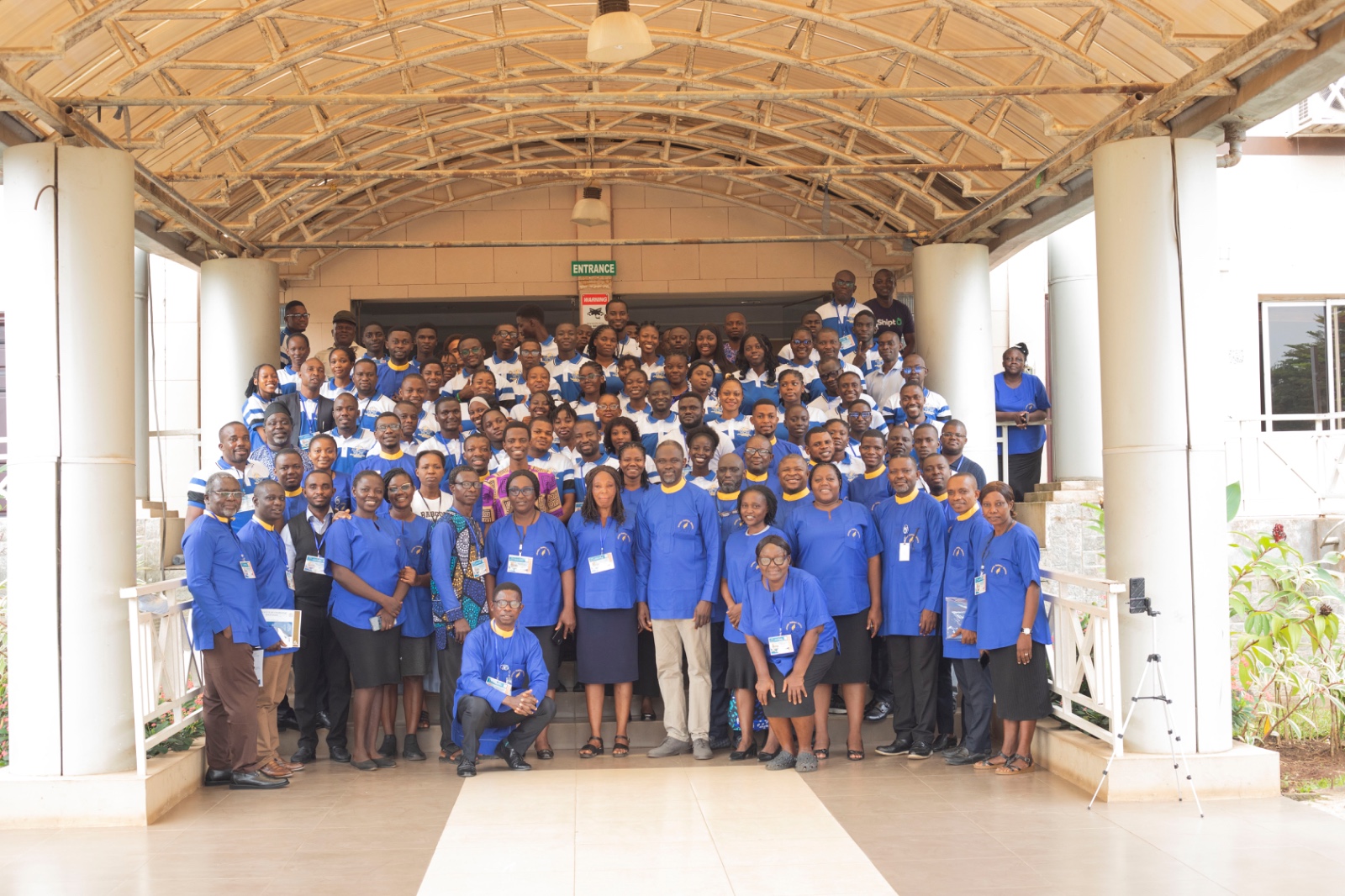
Babcock University Pastor, Associate Vice President Spiritual Life, Dr. Opeyemi Oladosu (7th right) and other staff chaplains, facilitators and student chaplains.

Vice President Spiritual Life and University Pastor, Dr. Opeyemi Oladosu and Dr. Samuelle Ngo Ikouba Nfor (8th and 9th left) with other staff chaplains.
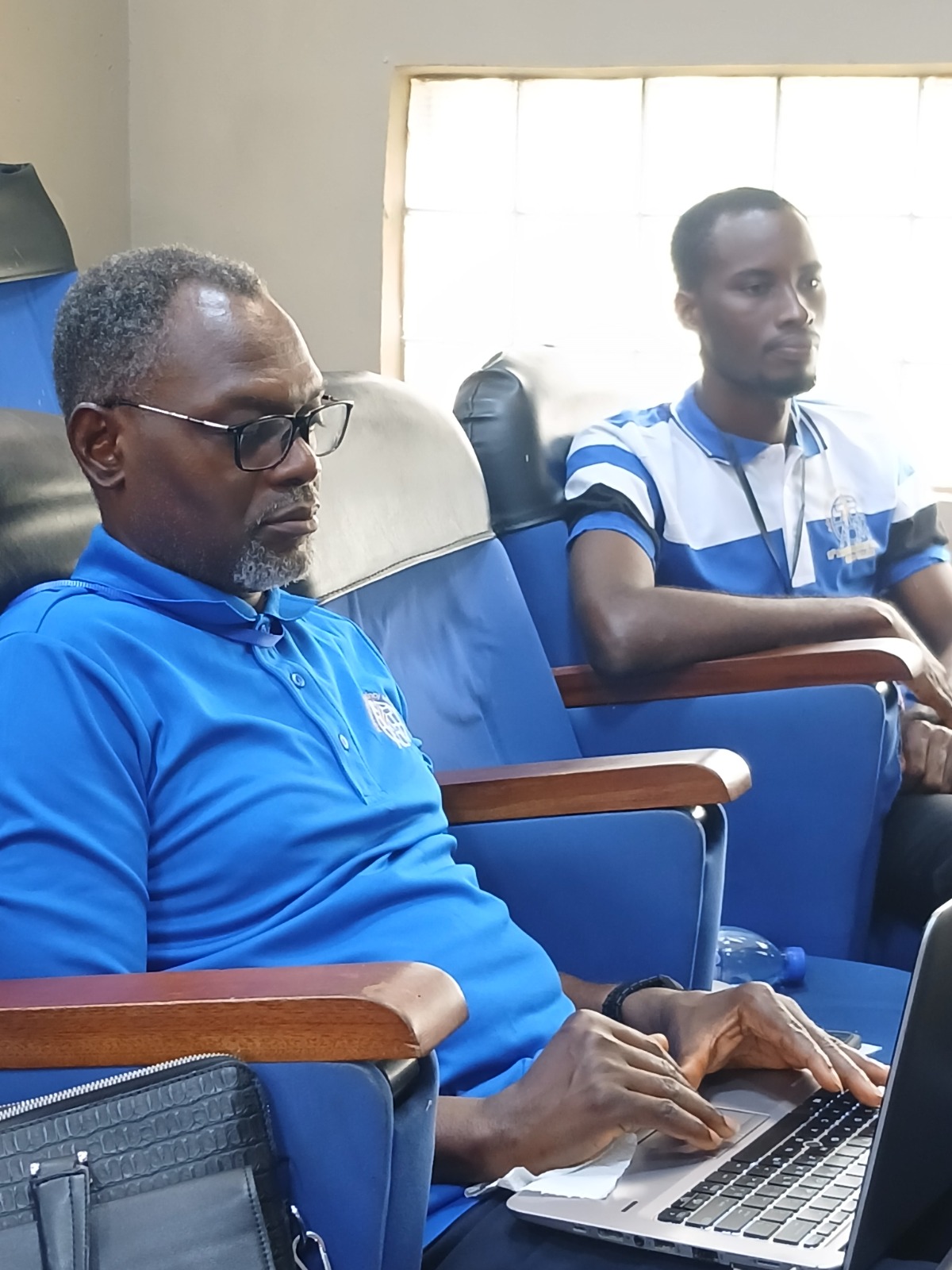
Director of Chaplaincy, Pastor Adebowale Adesanya (left) and another Chaplain at the training.
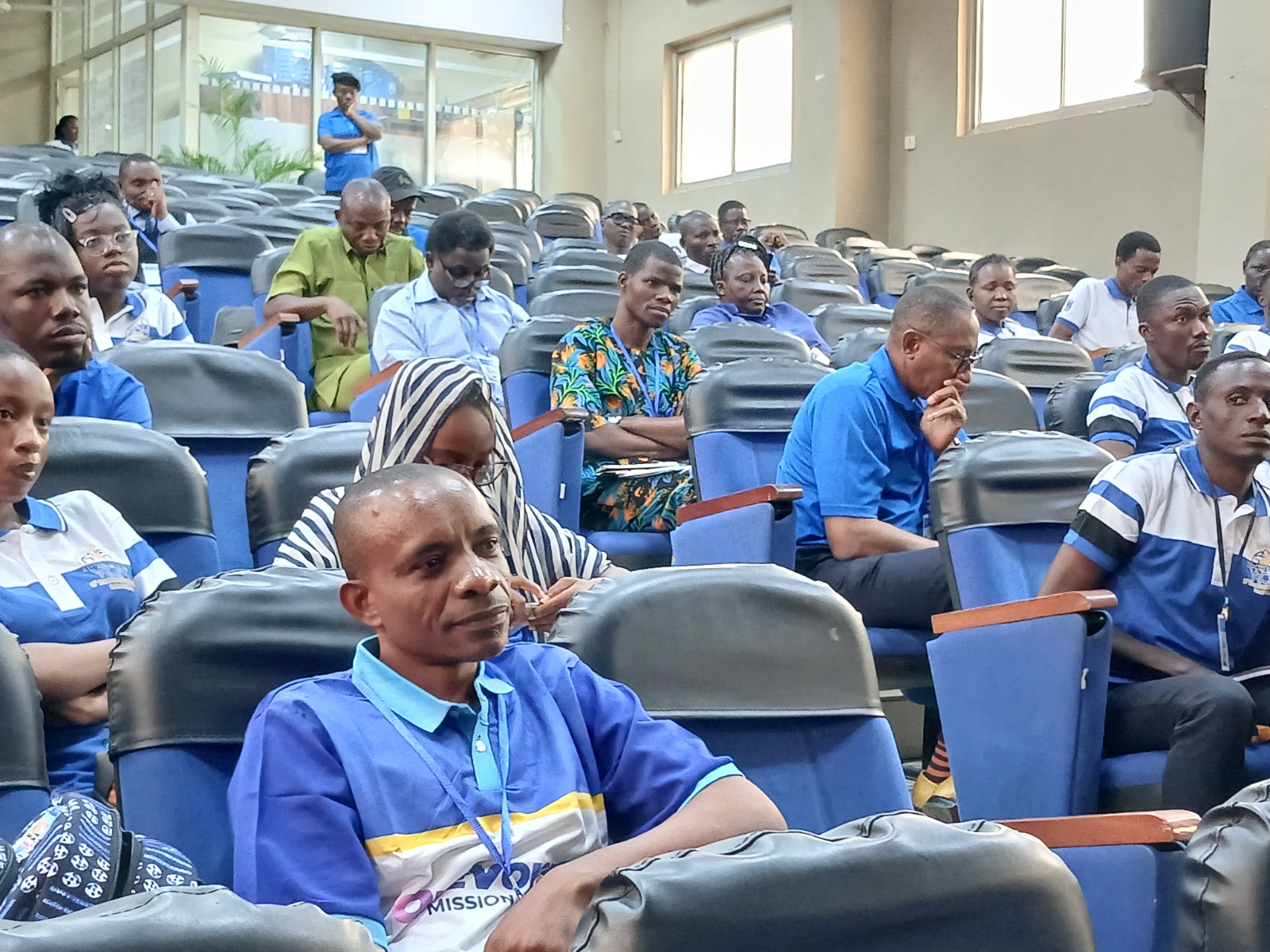
A cross section of participants.
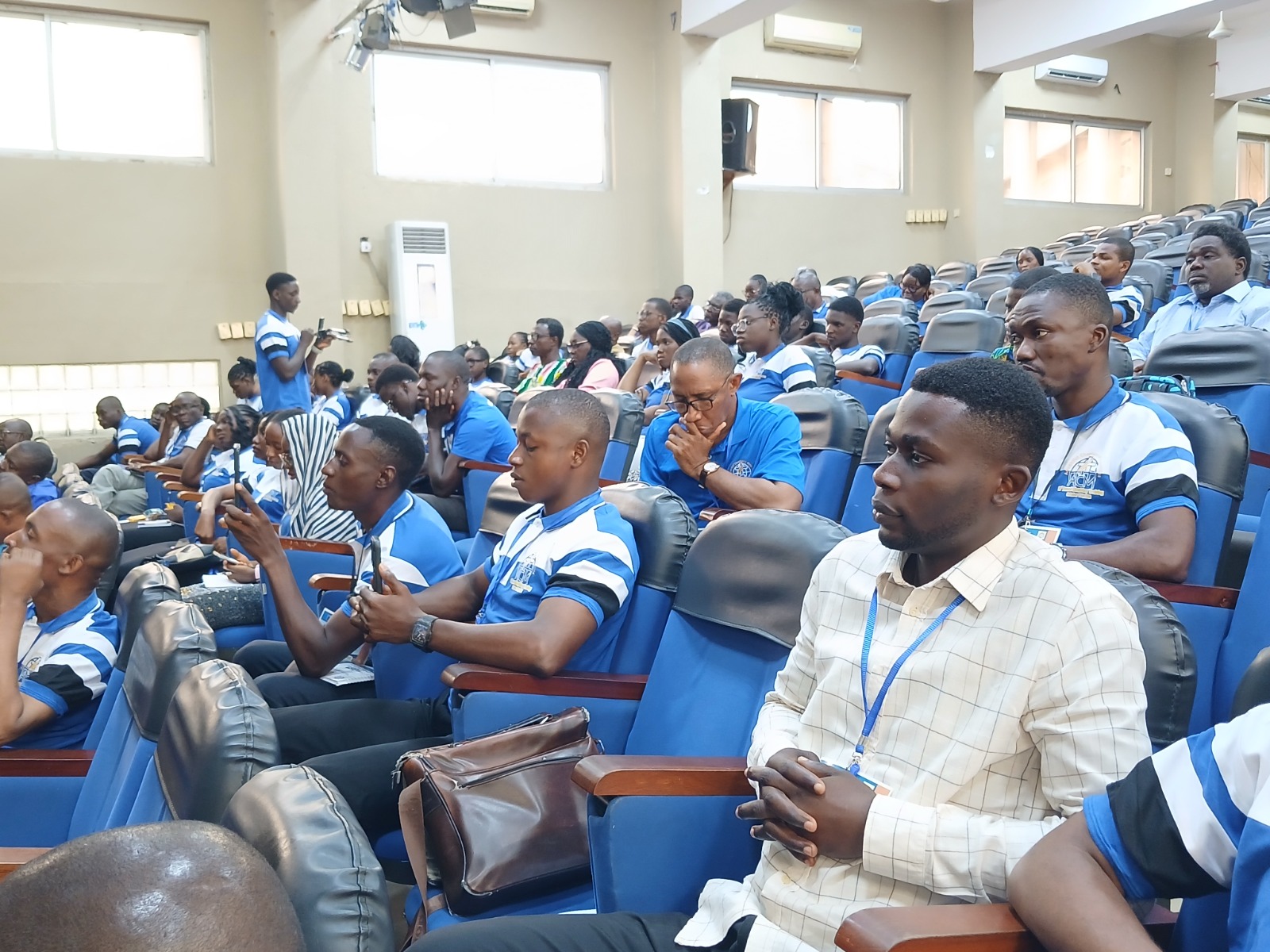
Participting chaplains at the training session.
Babcock University has trained over 100 chaplains at its 16th Annual Chaplaincy Training as global populations grapple with increasing insecurity and vulnerability. Themed, “The Person of the Chaplain: Building Spiritual Wholeness for Effective Ministry,” the four-day conference reaffirmed the chaplain’s mission to provide compassionate, non-judgmental counselling in vulnerable contexts.
In his presentation, “The Professional Helper’s Mask,” the Director of Chaplaincy and programme convener, Pastor Adebowale Adesanya called for structured sabbaticals and retreats to prevent burnout, noting: “As professionals, we must unmask to be helpers. We are not called to project who we are or who we are not or who others expected. The beauty of caring is authenticity and realness.”
This spirit of authenticity ran through plenary sessions with Dr. Samuelle Ngo Ikouba Nfor urging chaplains to listen deeply and confront their inner reality, while Director of Student Support, Dr. Abidemi Awanane emphasized self-awareness as the foundation for psychological maturity. Beyond self-reflection, another facilitator, Pastor Sobalaje Adewuyi reminded chaplains that public authority flows from private intercession. In parallel, Prof. Efe Ehioghae outlined a framework for ethics and accountability.
In his online presentation from the USA, the Director of Pastoral Care Department & Chair of Ethics Committee, North Mississippi Health Services, Chaplain Sunday Adelakin, reinforced the need for interfaith competence rooted in Adventist identity and unconditional respect.
Participants echoed this call for respect and unmasking. Student chaplain, Praise Obioma noted: “It’s okay to be vulnerable. Chaplains are also human. Seeking help is not weakness but strength.” Pastor Chinedum Nwanchukwu emphasized authenticity and openness in ministry aligning with Chaplain Oluwatoyin Awoniyi’s perspective for self-awareness.
Beyond individual reflections, participants rose from the training with a strategic five-point landmark communiqué resolution calling for:
-
A renewed commitment to ethical, interfaith-competent care;
-
Mandatory Clinical Pastoral Education (CPE) qualifications for chaplains;
-
Integration of chaplains into healthcare teams;
-
Establishment of Adventist Uniformed Services Fellowship;
-
Prioritization of chaplain well-being.
For University Pastor and Associate Vice President Spiritual Life, Dr. Opeyemi Oladosu, these commitments not only strengthen chaplaincy in Nigeria but also align with Babcock University’s identification with global efforts to build resilient, inclusive, and sustainable institutions that nurture human dignity and well-being in vulnerability.