
| Communication, Media and Branding


BABCOCK, ITF PREPARE 2,178 STUDENTS FOR SIX-MONTH INDUSTRIAL EXPERIENCE
Through industry collaboration, workplace readiness training and digital skills development, Babcock University is equipping students to translate classroom knowledge into professional competence.
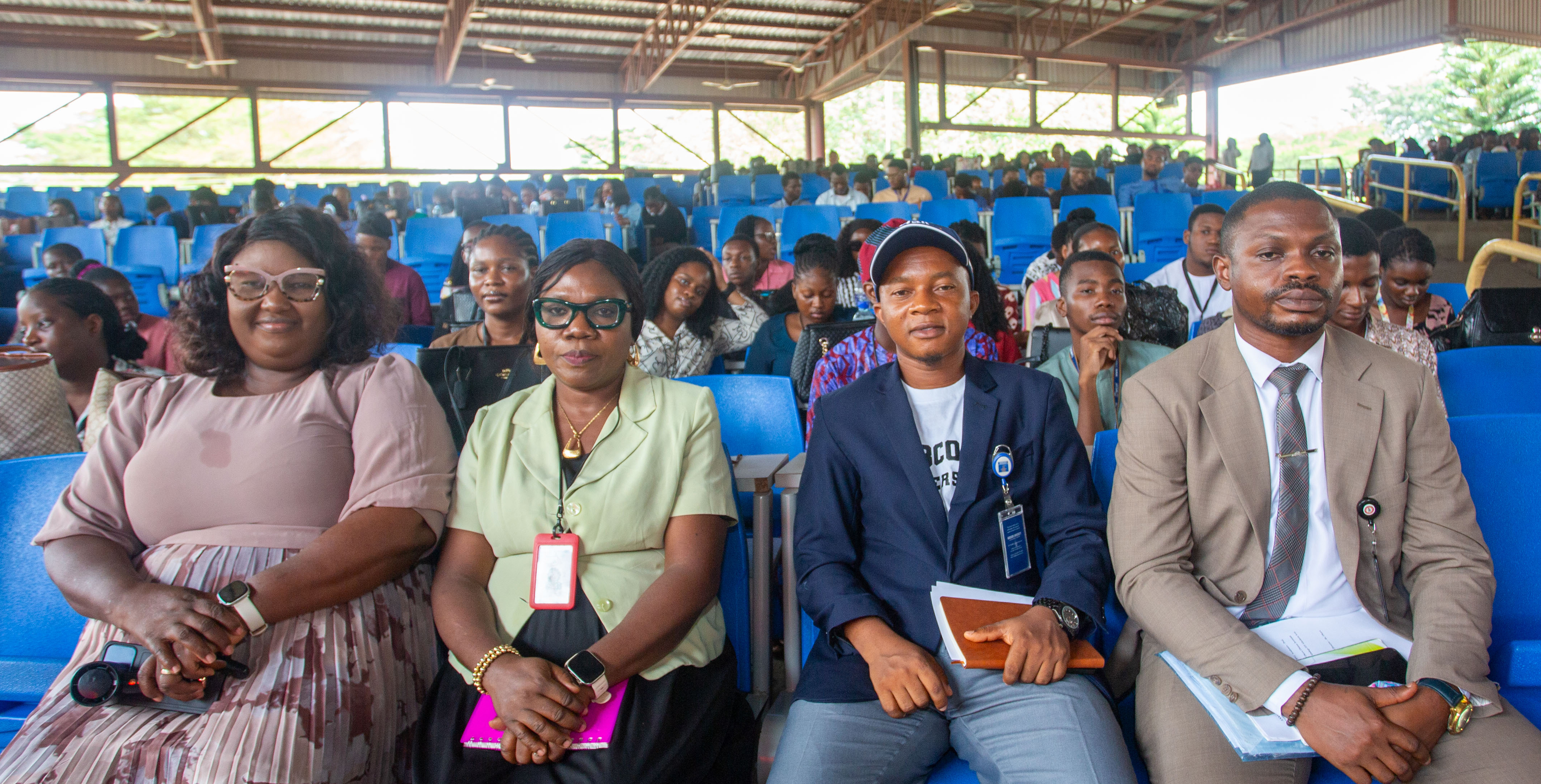
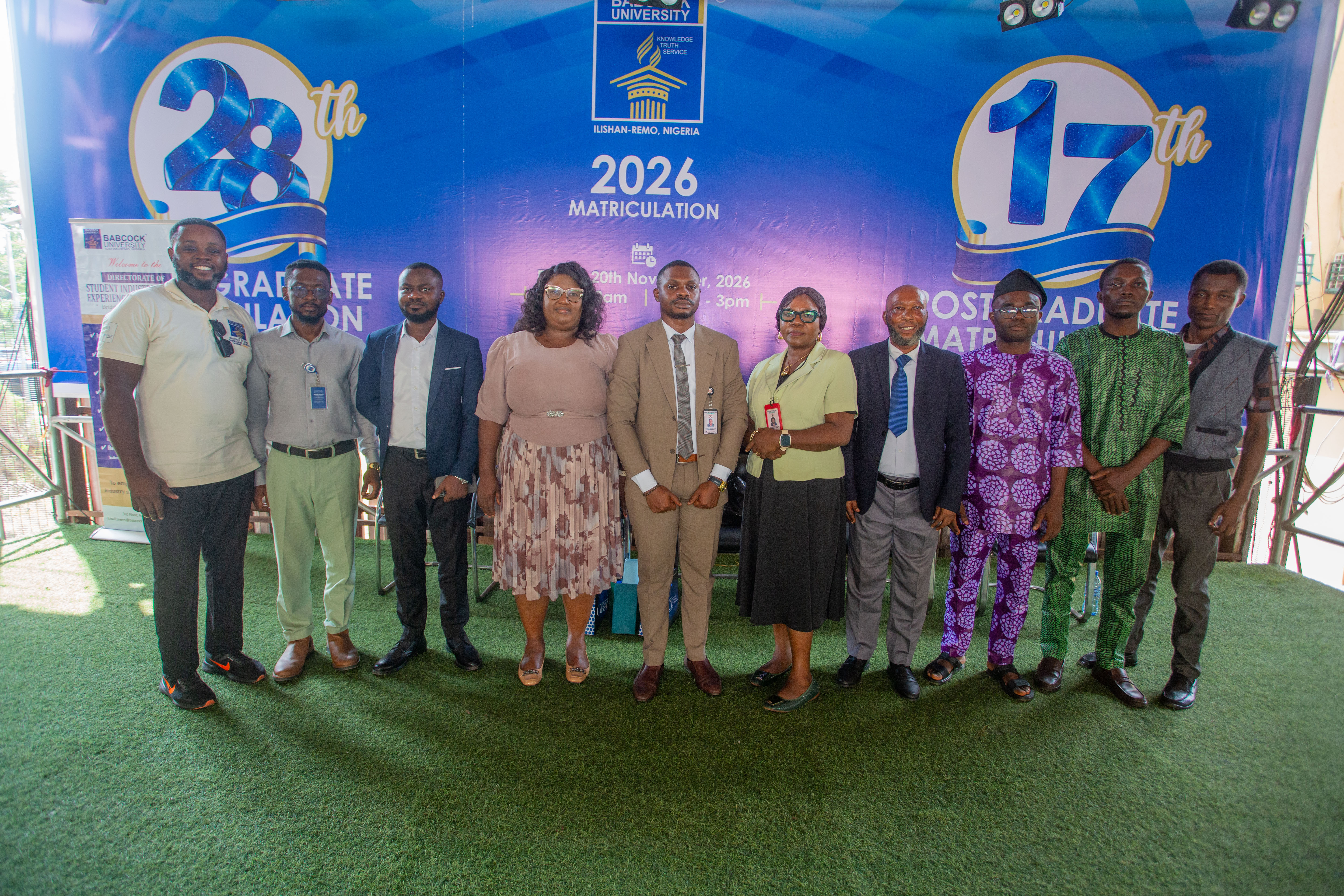
Babcock University, in collaboration with the Industrial Training Fund (ITF), has commenced a three-day Students Industrial Work Experience Scheme (SIWES) orientation programme for 2,178 students preparing for a six-month industrial attachment scheduled to begin in January 2027.
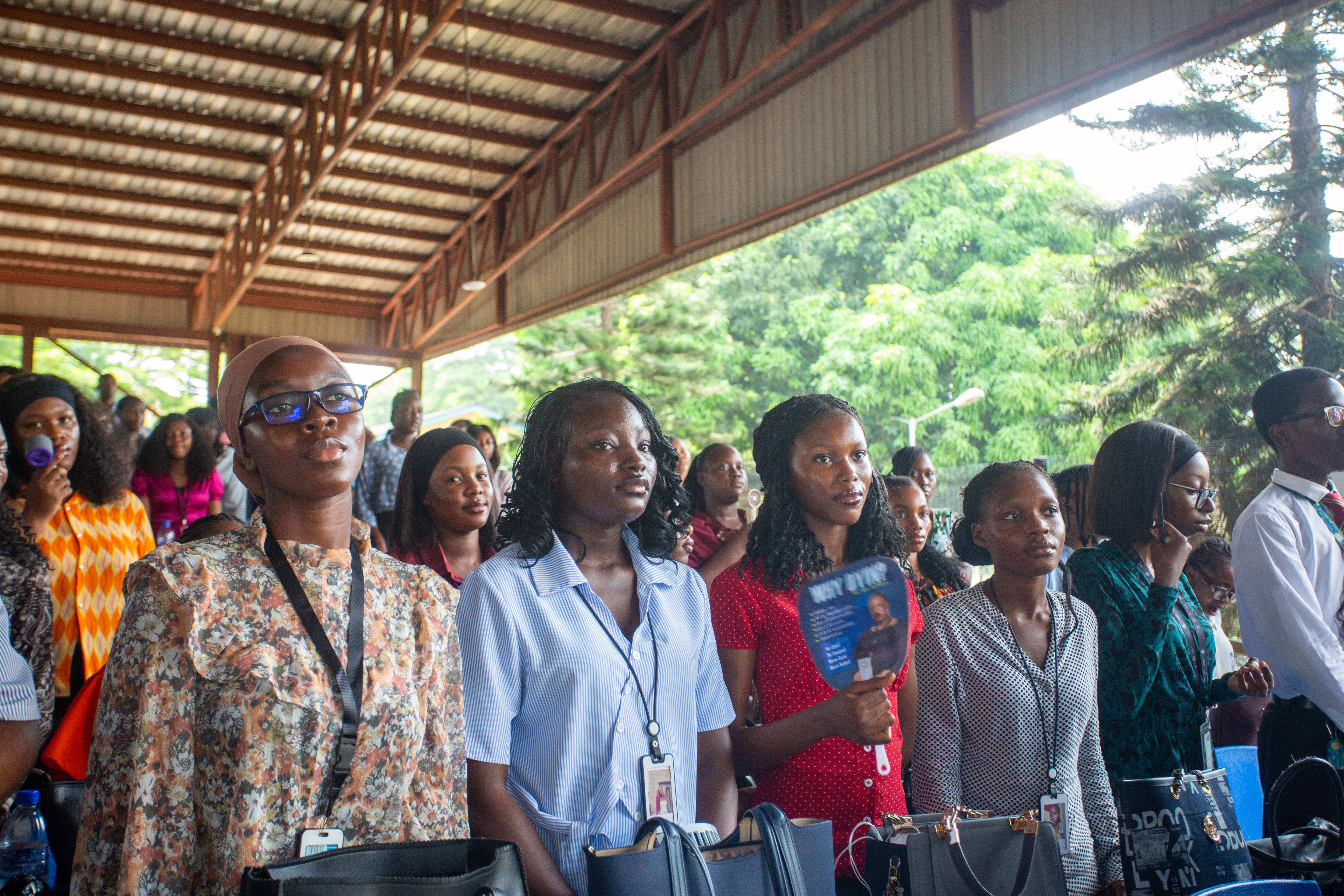
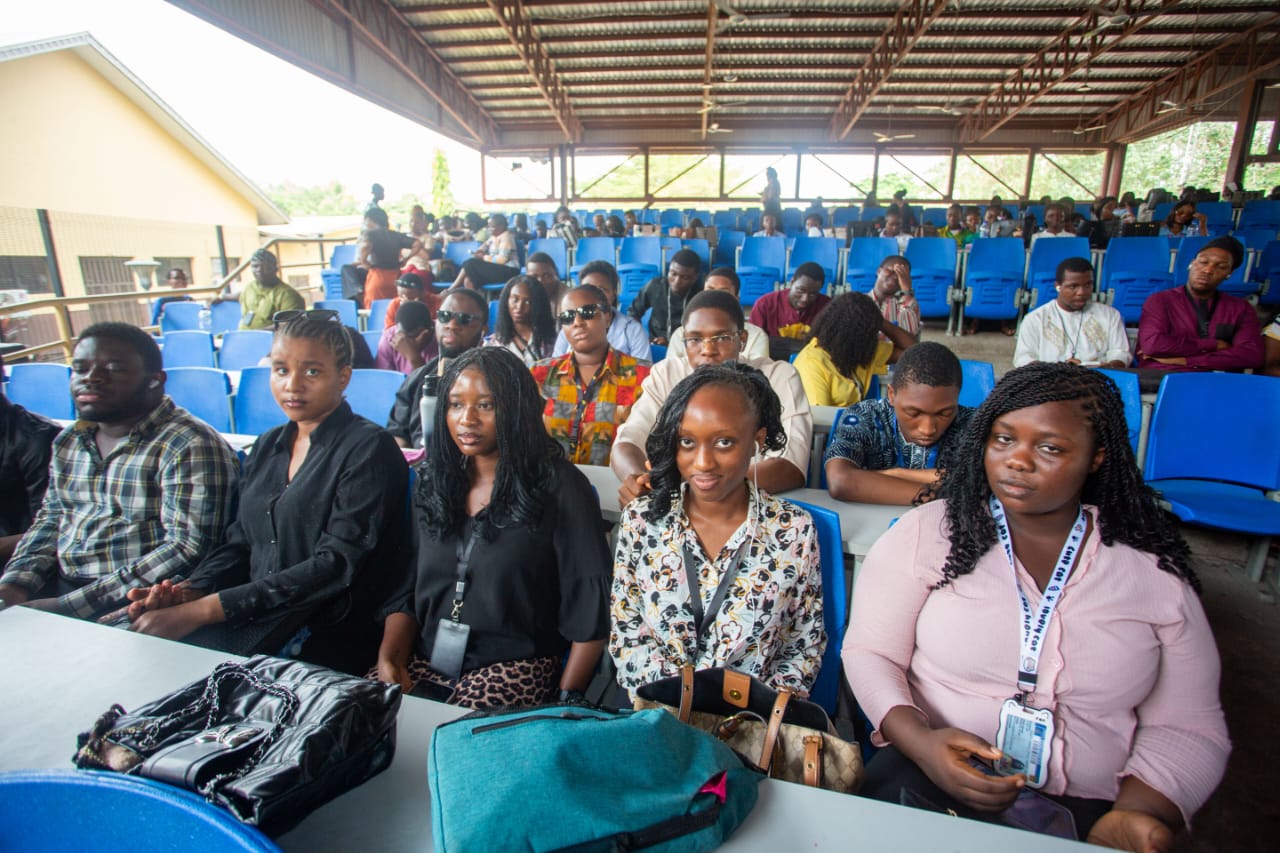
The programme, which commenced on Tuesday, November 24, 2026, at the University's Amphitheatre, brings together students from more than 23 academic programmes, including Agriculture, Anatomy, Nutrition and Dietetics, Nursing and Computer Sciences. It is designed to prepare participants for the professional, technical and ethical demands of the workplace before they begin their industrial placement.
Speaking at the opening ceremony, the Director of SIWES, Dr Obinna Okoro, described the orientation as an important step in helping students connect their academic knowledge with practical workplace experience.
He explained that the industrial attachment provides an opportunity to apply classroom learning to real-life situations, gain industry exposure and learn from experienced professionals in their respective fields.
Beyond workplace preparation, Dr Okoro said the orientation would familiarise students with essential SIWES requirements, including proper documentation, logbook management, assessment and reporting procedures, workplace safety standards and employers' expectations.
He emphasised that punctuality, commitment, integrity and professionalism would be essential throughout the attachment, warning students against absenteeism and tardiness. He also encouraged them to seek feedback from supervisors, document their learning experiences accurately and demonstrate responsible digital citizenship.
Highlighting the changing demands of modern workplaces, Dr Okoro drew attention to cybersecurity, digital trust and data protection, noting that students may encounter sensitive information and systems during their industrial attachment. He urged them to handle such responsibilities with caution and professionalism.
He appreciated the Industrial Training Fund for its continued partnership and support in strengthening experiential learning opportunities for Babcock students.
ITF: SIWES Is More Than an Academic Requirement
In her keynote address, the Area Manager of the Industrial Training Fund, Abeokuta Area Office, Mrs Esther Kehinde Aladuge, described SIWES as an important bridge between academic preparation and the practical realities of employment.
She noted that employers increasingly expect graduates to demonstrate more than academic qualifications. Practical competence, creativity, problem-solving, effective communication, adaptability and professional discipline, she explained, are essential qualities for succeeding in today's competitive employment environment.
Mrs Aladuge therefore urged the students to approach the programme as an opportunity to develop workplace competencies, establish professional networks, explore career pathways and prepare for future employment.
"See SIWES not merely as an academic requirement but as a unique opportunity to build competencies, establish professional networks, explore career pathways, and prepare for future employment opportunities," she advised.
She also encouraged participants to remain attentive during the orientation, ask relevant questions and demonstrate punctuality, integrity and respect for constituted authority throughout their industrial placement.
Commending Babcock University's management, she acknowledged the University's commitment to producing competent, industry-ready and employable graduates through sustained engagement with relevant stakeholders.
Preparing Students for a Digitally Responsible Workplace
The orientation programme also recognises that professional competence in today's workplace extends beyond technical knowledge. Digital responsibility, cybersecurity awareness and the protection of personal and organisational information are increasingly important across professional sectors.
Accordingly, the November 25 session features the Digital Trust 3D Programme in collaboration with ThinkCyber, while the November 26 session will bring together experts from Workforce Group, the Nigeria Data Protection Commission (NDPC) and ThinkCyber.
The sessions will address workplace readiness, digital trust and data protection awareness, giving students additional exposure to the professional and technological responsibilities they may encounter during their industrial attachment.
From Classroom Knowledge to Workplace Impact
For the 2,178 students preparing for industrial training, the programme represents an important transition from academic learning to professional practice. It provides an opportunity to test their knowledge, develop practical skills, understand workplace expectations and discover how their respective disciplines contribute to industry and society.
Through its collaboration with the ITF and other industry stakeholders, Babcock University continues to strengthen the connection between education and employability, reinforcing the importance of experiential learning in preparing graduates for a changing world of work.
As the students prepare for their six-month attachment in January 2027, the expectation is clear: to represent the University with competence, integrity, discipline and a willingness to learn.
At Babcock, learning goes beyond the classroom. It prepares students to make knowledge work.
#BabcockUniversity #SIWES2026 #IndustryReadiness #WorkplaceLearning #Employability #ResearchThatMatters