
| Communication, Media and Branding



From interactive 3D anatomy to technology-driven practical training, Babcock's latest investment strengthens its commitment to quality education and better healthcare outcomes.
What if students could explore the human body in three dimensions, examine its internal structures layer by layer and perform virtual dissections with the touch of a screen?
At Babcock University, this is becoming part of how the next generation of healthcare professionals will learn.
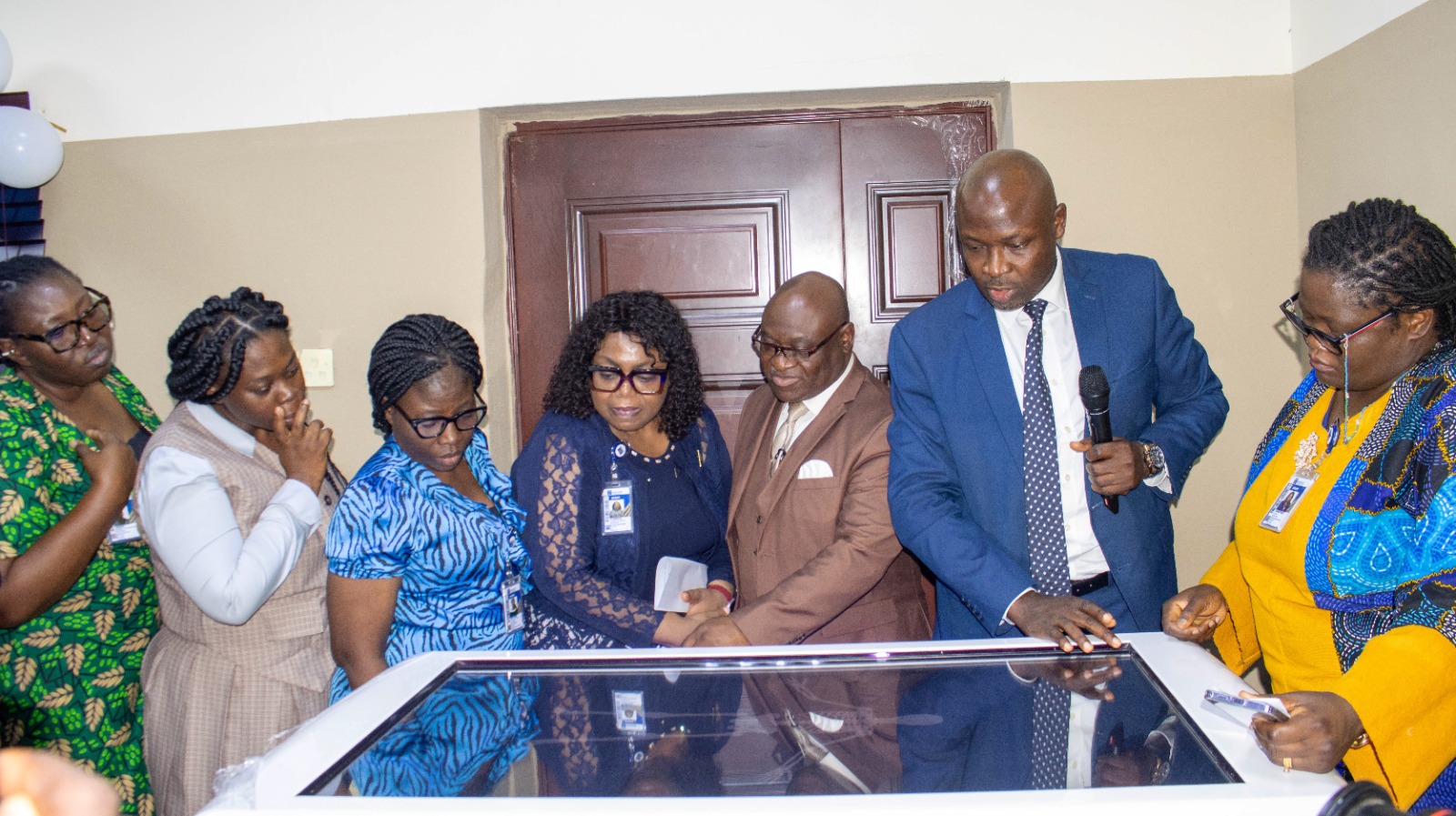
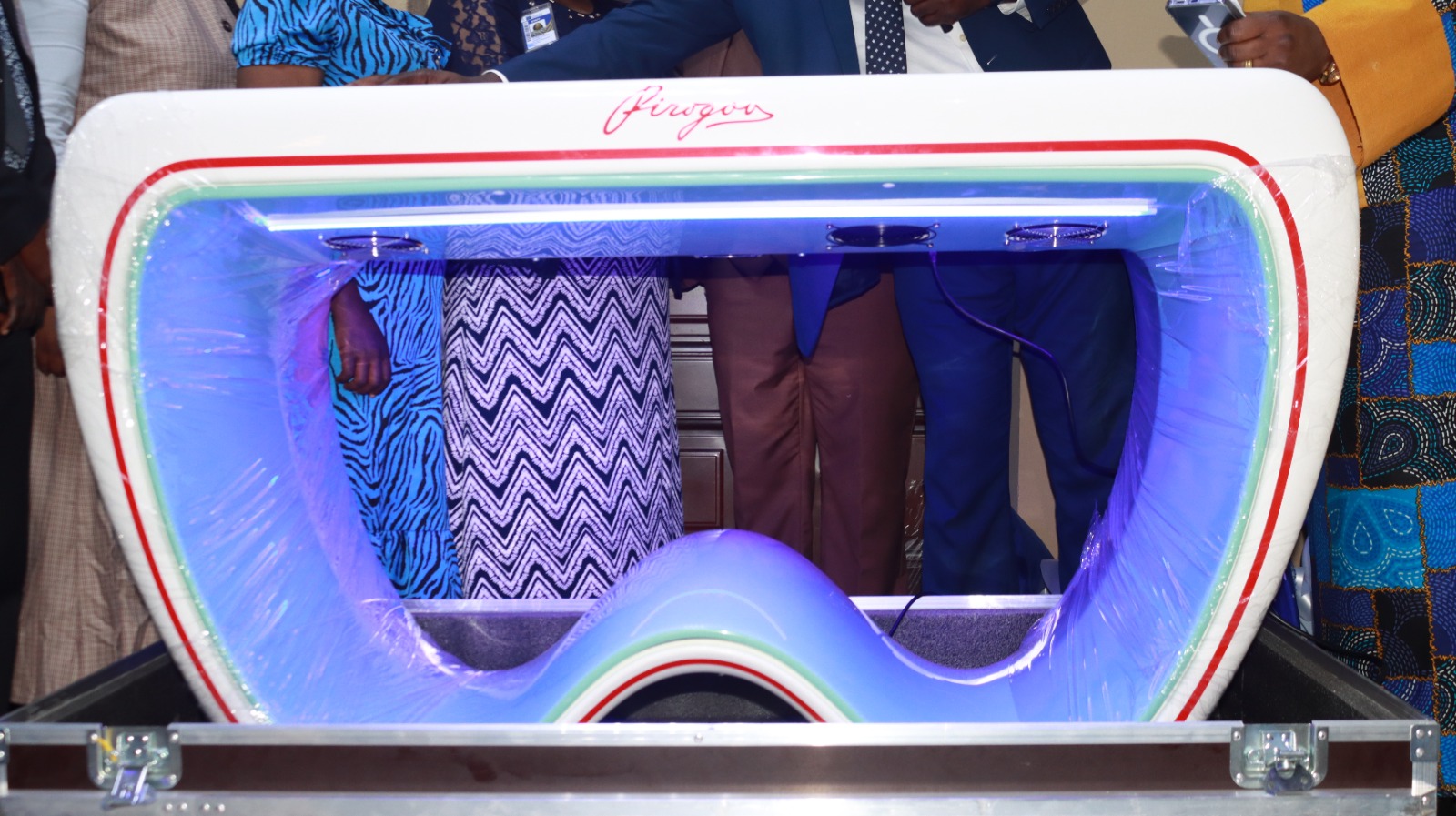
The University has become the first institution in Nigeria and West Africa, and the sixth in Africa, to acquire and commission the Pirogov Digital Anatomy Table, marking a significant milestone in medical and health sciences education.
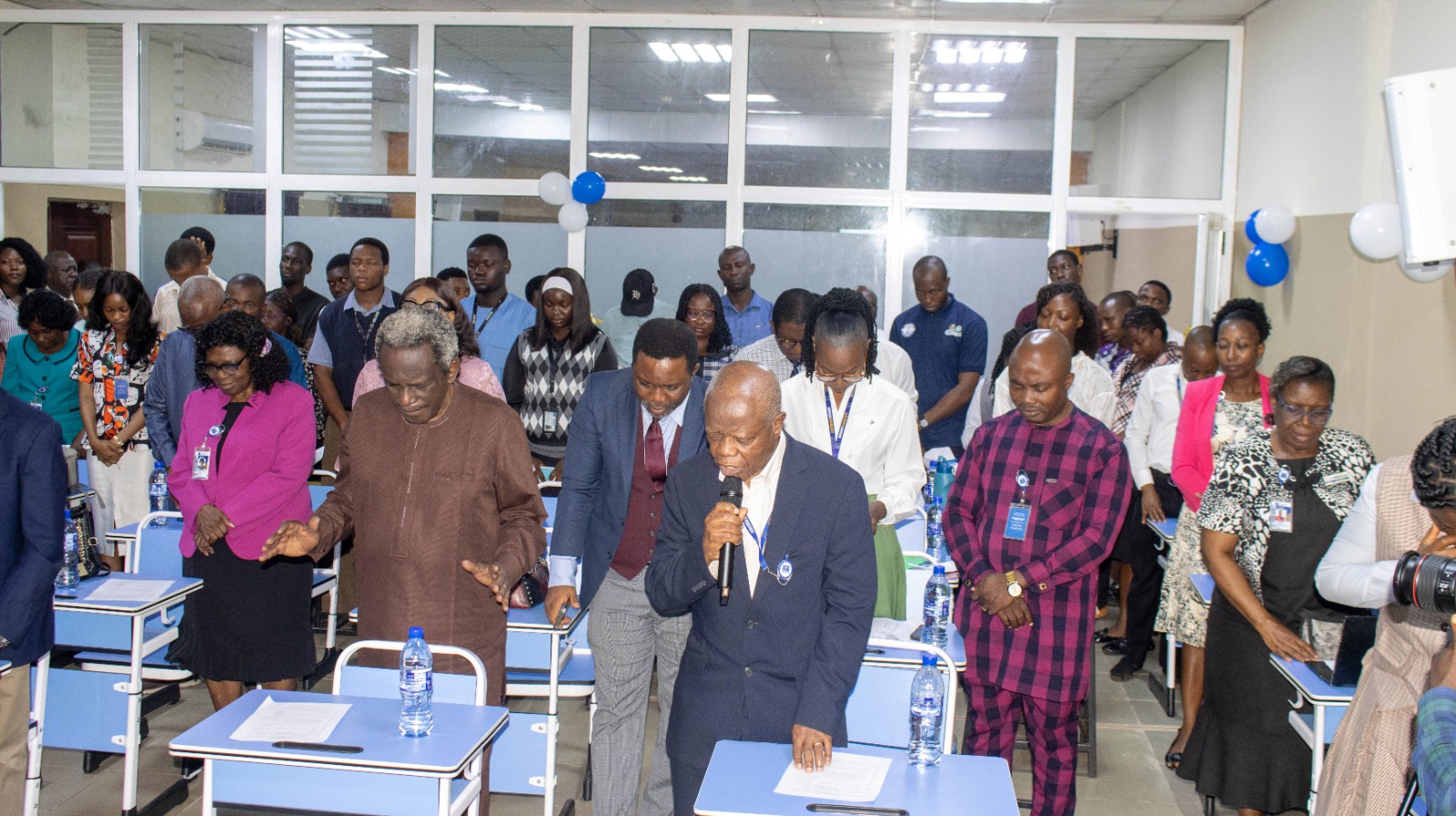
Commissioned at the Department of Anatomy on November 11, 2026, the technology introduces a more interactive approach to anatomy education, allowing students to examine the human body in remarkable detail, manipulate three-dimensional models, explore anatomical structures and understand the intricate relationships between organs and tissues.
More than an addition to the University's laboratory facilities, the investment represents a deliberate effort to improve teaching, strengthen practical learning and prepare graduates to meet the demands of modern healthcare. It also advances the University's contribution to Sustainable Development Goal 4 (Quality Education) through technology-enabled learning and SDG 3 (Good Health and Well-being) through the preparation of knowledgeable and competent future healthcare professionals.
Speaking at the commissioning ceremony, the President/Vice Chancellor, Professor Afolarin Ojewole, described the development as a major step in advancing technology-driven health sciences education.
“This is not merely an acquisition of sophisticated equipment; it is a statement of our institutional vision and determination to remain at the forefront of medical and health sciences education in Nigeria,” he said.
He explained that the technology would enable students to move beyond textbook illustrations and conventional demonstrations to actively investigate the human body.
“We envision a learning environment in which students do not merely read about anatomical structures, but can interactively explore, rotate, dissect, and investigate the human body in three dimensions,” he added.
Bringing anatomy to life across disciplines
A sound understanding of the human body is central to healthcare practice. From diagnosing illnesses and performing surgical procedures to conducting laboratory investigations and providing quality patient care, knowledge of anatomy and physiology underpins critical professional decisions.
The Pirogov Digital Anatomy Table offers a practical way to strengthen this foundation. By allowing students to visualise organs, examine anatomical layers and explore the relationships between body systems, it makes complex scientific concepts more accessible and engaging.
The platform will serve as a shared academic resource for the Benjamin Carson Snr. College of Health & Medical Sciences, supporting teaching, learning and research across multiple disciplines.
Students of Medicine and Surgery will benefit from enhanced clinical and surgical anatomy training. Nursing students will gain a deeper understanding of body systems relevant to patient assessment and care. Anatomy and Physiology students will have opportunities to examine the structure and functions of the human body in greater detail, while Medical Laboratory Science students will strengthen their understanding of organs, tissues and related anatomical structures.
Other relevant health and basic science programmes will also benefit from the platform's interactive visualisation capabilities.
Beyond making lessons more engaging, the technology will encourage active participation, deepen scientific understanding and help students connect theoretical knowledge with practical applications. It also provides additional opportunities for interdisciplinary teaching and research.
This approach reflects the central ambition of SDG 4: Quality Education, to expand access to relevant knowledge, strengthen learning outcomes and equip learners with the skills needed to contribute meaningfully to society.
The Provost of the Benjamin Carson Snr. College of Health & Medical Sciences, Professor Adeola Fowotade, described the commissioning as a historic moment for the institution and a major advancement in the teaching of anatomy and related medical sciences.
“This is a revolution in the way we teach anatomy and related medical sciences,” she said, noting that the platform offers interactive learning opportunities beyond conventional teaching methods.
She added that the technology would strengthen multidisciplinary learning, extend its benefits to learners beyond Babcock University and support the College's alignment with global standards in healthcare education.
Advancing practical learning through technology
The new facility also offers opportunities to address some of the limitations associated with conventional anatomy instruction.
The Head of the Department of Anatomy, Dr. Stephen Adelodun, explained that the acquisition represents more than a transition from traditional to digital dissection.
“Beyond mobility, it offers greater interactivity and exceptional ease of use,” he noted.
He added that the technology would reduce dependence on cadavers while minimising students' exposure to formalin and other preservation chemicals.
Rather than replacing conventional anatomy teaching, the digital platform provides an additional learning resource through which students can visualise and investigate anatomical structures, reinforcing classroom instruction and practical demonstrations.
Also speaking at the event, Dr. Folarin Olasogba, representative of Medbridge Health Choice Ltd., the equipment suppliers, disclosed that the system comes with 200 licences for students and faculty members, providing wider access to the technology for academic purposes.
The acquisition also reflects the University's investment in SDG 9 (Industry, Innovation and Infrastructure) by incorporating advanced technology into its educational infrastructure and strengthening the resources available for teaching, learning and research.
Preparing Healthcare Professionals for global demands
Healthcare education must continually respond to advances in medical knowledge, technology and professional practice. Today's healthcare professionals need more than theoretical understanding; they must be able to interpret complex information, apply scientific principles and adapt to evolving clinical and laboratory demands.
Babcock University's investment in the Pirogov Digital Anatomy Table strengthens the learning resources available to develop these competencies. By improving opportunities for practical understanding and technology-enabled instruction, the University is contributing to the broader ambition of SDG 3 (Good Health and Well-being): strengthening the human capacity needed to support effective healthcare delivery and healthier communities.
Becoming the first institution in West Africa to commission the technology is a significant distinction. Its greater value, however, lies in what it makes possible for students: richer learning experiences, deeper scientific understanding and better preparation for the professional challenges ahead.
At Babcock University, global relevance means investing in the knowledge, technology and learning experiences that advance quality education and prepare graduates to make a meaningful difference in healthcare and society.
#BabcockUniversity #MedicalEducation #GlobalRelevance #SDG3 #SDG4 #SDG9 #ResearchThatMatters